Make humanity shine.
Donate to support humanitarians at risk
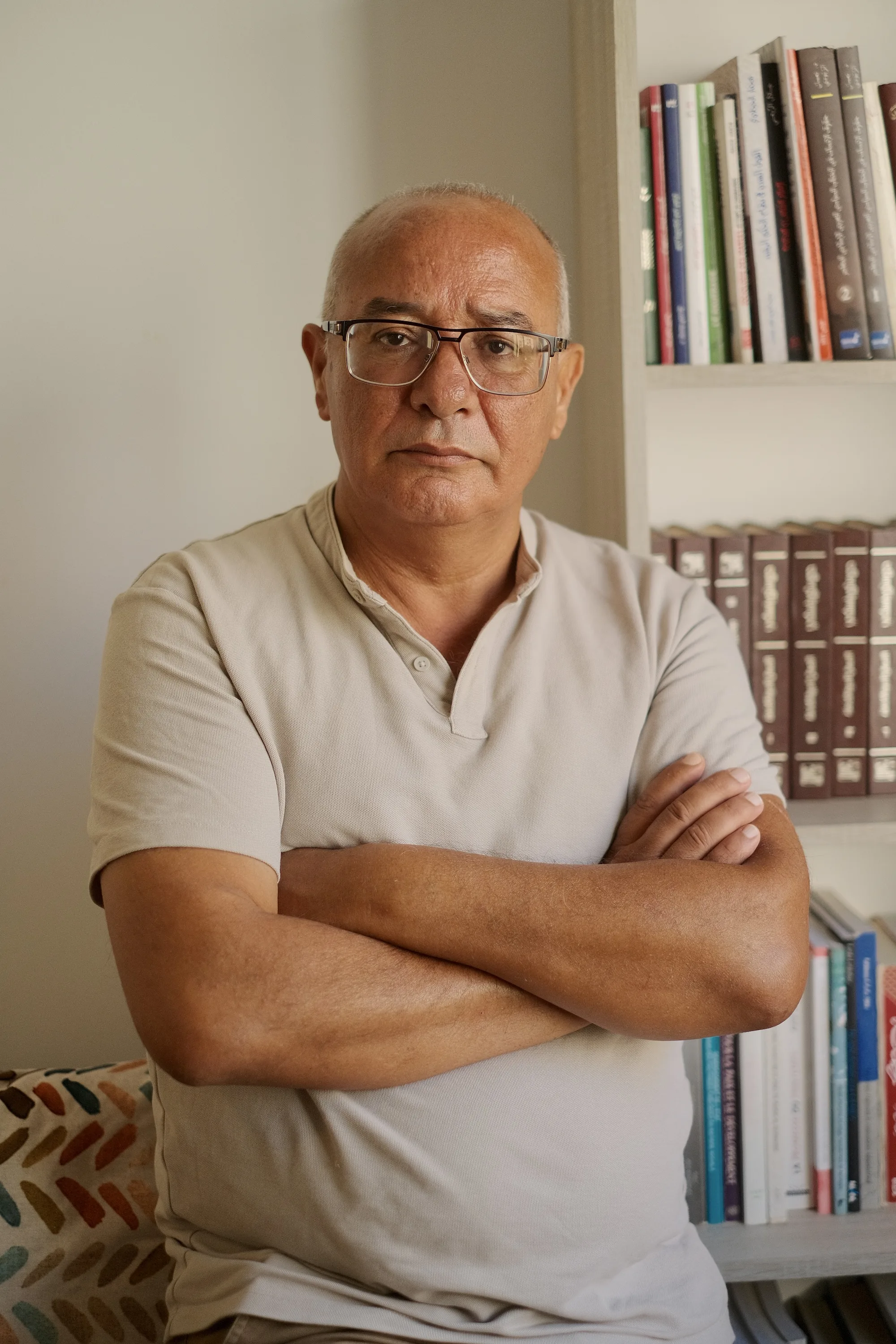
ABDERRAZEK
Humanitarian
Wrongfully imprisoned in Tunisia for 19 months. Convicted for helping refugees.
Abderrazek Krimi, 62, spent 25 years as a philosophy teacher in Tunisia. Later in life he returned to university to study political science and international humanitarian law, specialising in the protection of refugees and of children. In 2016 he co-founded the Tunisian Council for Refugees, where he worked as a Project Manager, until his arrest.
“Being a humanitarian is, above all, a commitment, a commitment to others… Caring about others, suffering with the suffering of others, that is what it is to be a humanitarian.”
The Council worked transparently, lawfully, and in cooperation with the United Nations High Commissioner for Refugees (UNHCR). Abderrazek oversaw all its projects, end to end, across two main areas, from protection, receiving and registering asylum seekers, managing cases, to assistance, meeting basic needs of healthcare, food, shelter and schooling for children.
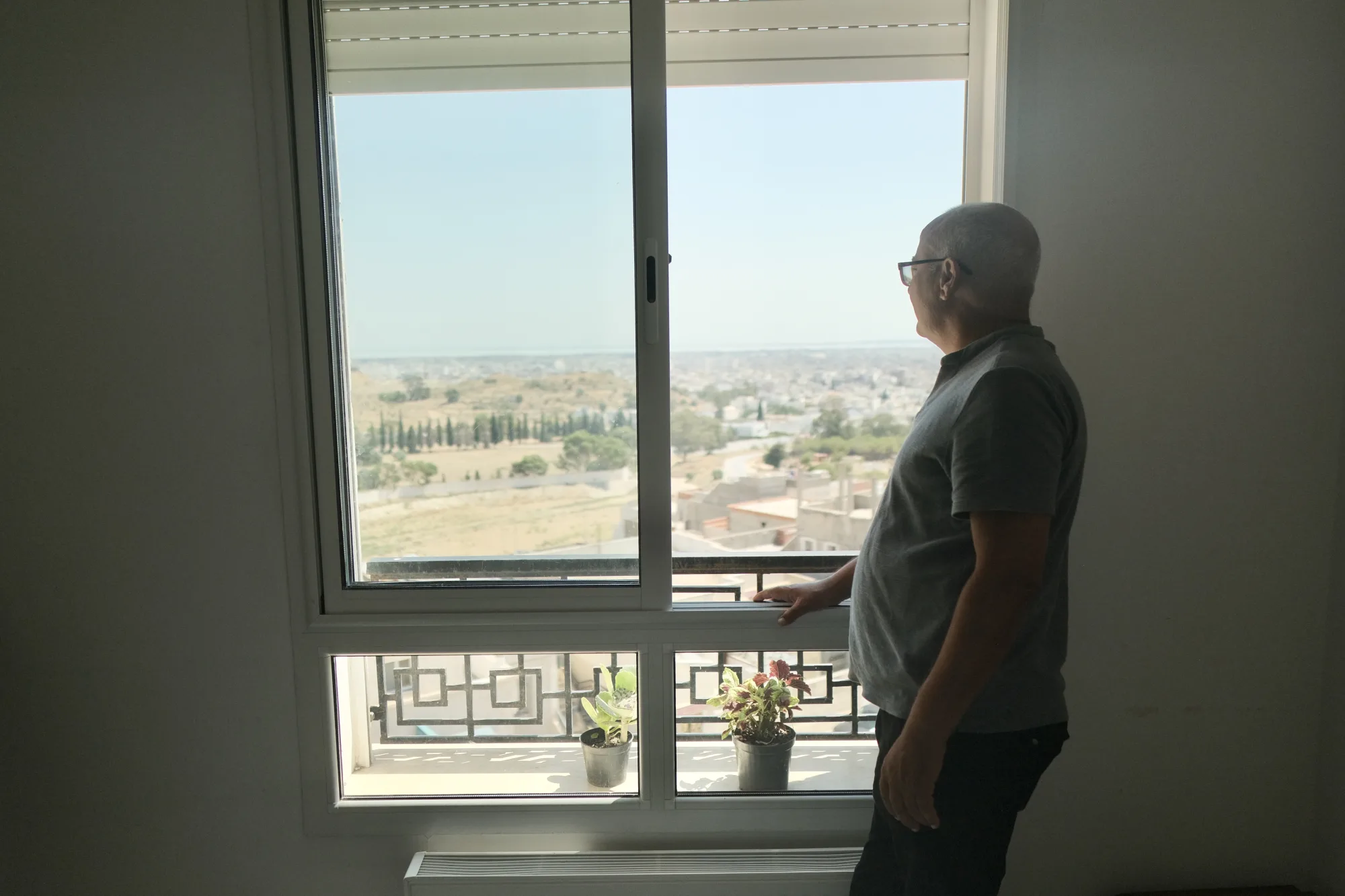
Some encounters will never leave him. One cold winter evening, he found himself in the office long after everyone had left, when four Syrian children, the eldest fifteen, appeared at the door, dressed in only shorts and t-shirts. He found them shelter that night without leaving them on the streets to wait for the correct procedure. There are other stories that he still carries, helping victims of rape, or supporting families with small babies to survive in shelter accommodation.
In May 2024, a day after the Council's founder Mustapha Djemali, Abderrazek was arrested. The pretext was a newspaper notice the Council had published seeking temporary accommodation for refugees. The same wave of arrests swept up others working with migrants, among them the anti-racism activist Saadia Mosbah.
Finding himself in prison, Abderrazek’s first feeling was one of shock and disbelief, struggling to believe what had just happened. This was closely followed by resilience, convinced the injustice would soon be lifted. What followed was 19 months in severely overcrowded cells, packed like sardines, enduring the heat, disease and constant tensions of confinement.
On 24 November 2025 a Tunis court sentenced him and Mustapha Djemali to two years, with five months suspended, and released them the same day for time already served. Both men appealed. On 13 May 2026 the Court of Appeal upheld the convictions, confirming that in Tunisia, humanitarian work now carries criminal liability.
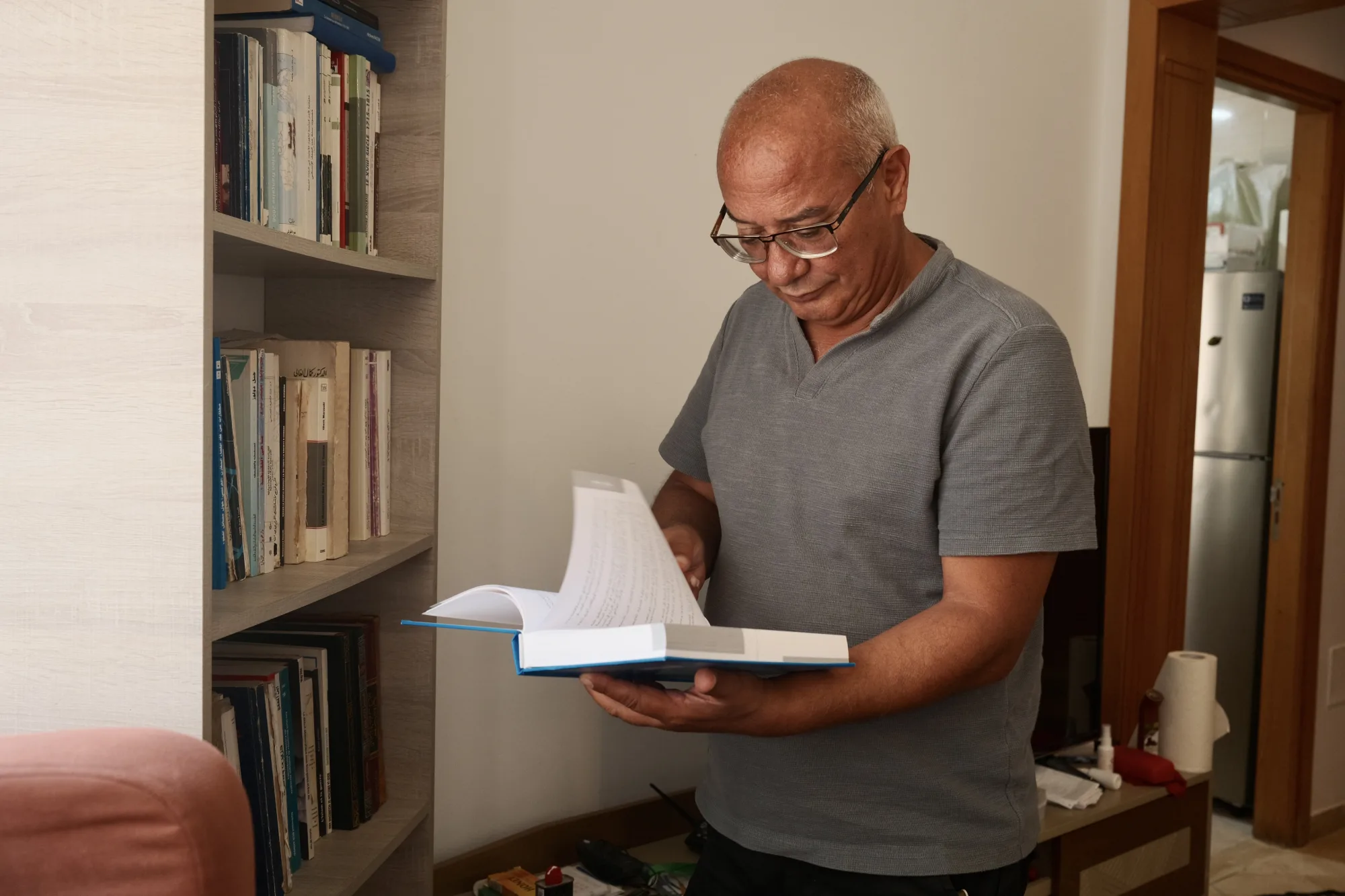
Home at last, Abderrazek found the aftermath harder in some ways than prison. Everything had to be rebuilt from scratch, with his humanitarian work effectively forbidden. He is now without work, struggling to pay rent, and unable to claim the retirement pension that he is owed.
From a large family of older siblings, Abderrazek currently lives alone, with a son in Canada and a daughter training to become a doctor in Tunis. His family, especially his daughter, supported him while in prison. But the pressure was particularly hard on his daughter, whom he was especially close with and who was a medical resident at the time, working towards graduation. She also suffered while her father was in prison and is still reminded of that suffering every time she sees him.
In prison, the weekly visits, ten minutes with family, twenty with his lawyer, were what he describes as little breaths of oxygen. Since his release, some human rights organisations have stood by him, bringing him much-needed moral support. And he is writing his memoirs of prison and the justice system. That, he says, is his therapy. He refuses victimhood. He does not want help, he wants the chance to work again in the humanitarian field he loves and to which he still has so much to give.
Abderrazek likens humanitarians to firefighters, called in to put out fires lit by the decisions of others. He calls for an international convention that protects humanitarian work itself: one that forbids harm to humanitarians doing their jobs and requires states to let them reach the people who need them. And he asks the European Union to write the protection of humanitarian workers into every cooperation agreement it signs, in Tunisia and everywhere else.
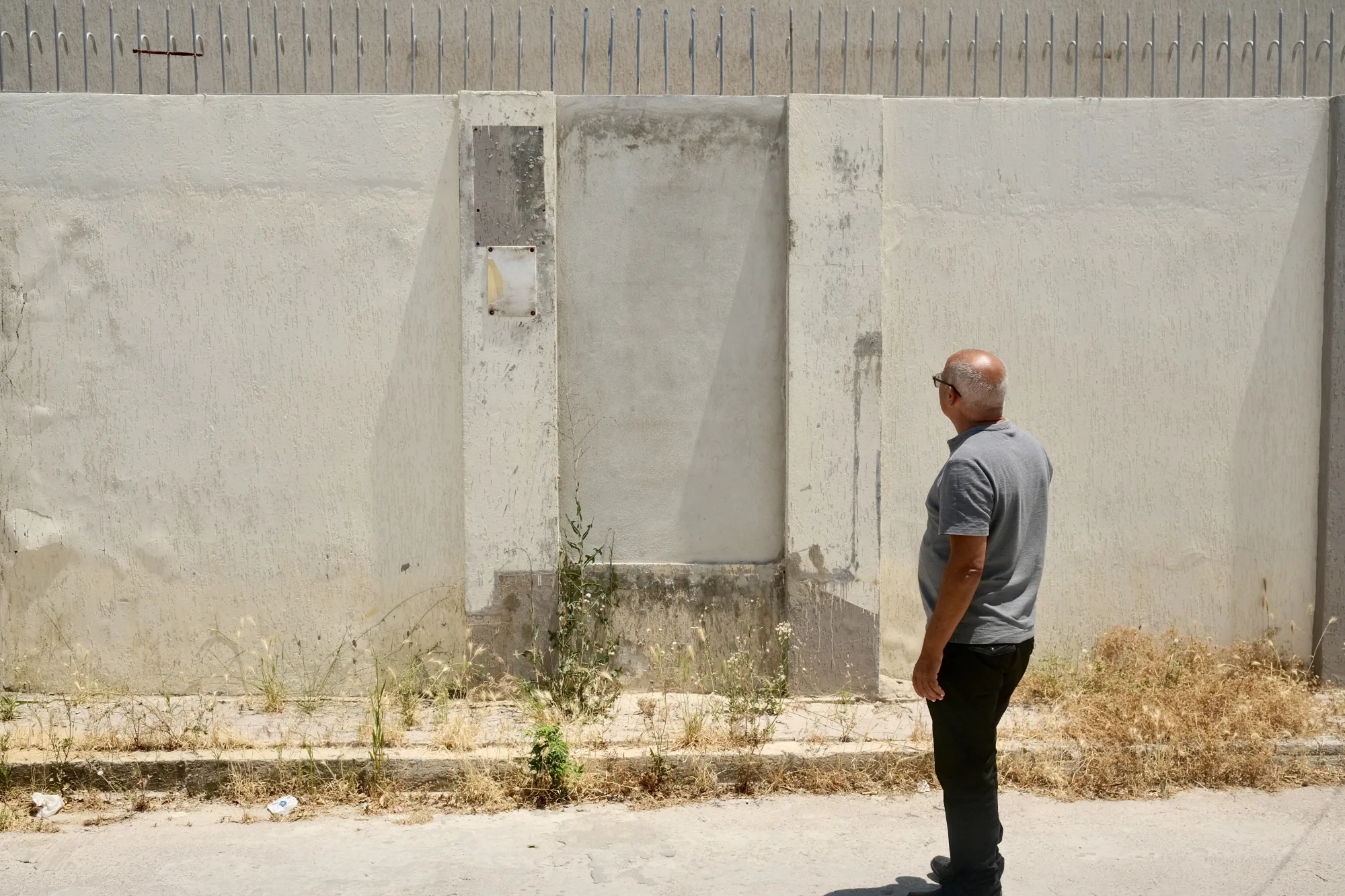
Ask Abderrazek what he wants you to see when you pass his face in the street, or read his story, and the answer is simple. He wants you to see clearly that he is an ordinary man, not one that comes from another planet, but one that you come across every day. Yet, he says, he is now marked in his country as a criminal for doing noble work.
“The injustice I suffered, I don't think anything can undo it. But at the same time, if you ask me whether, if it were to be done over, I would do it again, I'd tell you without hesitation, yes.”
How Protect Humanitarians supports Abderrazek
Protect Humanitarians mobilised for Abderrazek's release and supports him today as part of our survivor network, alongside humanitarians and families affected by attacks, detention and persecution worldwide
Photos: © Amine Hamouda/Protect Humanitarians
Your donation provides psychological support, legal assistance, and advocates for the release of detained humanitarians.