Make humanity shine.
Donate to support humanitarians at risk
IMAD
Humanitarian
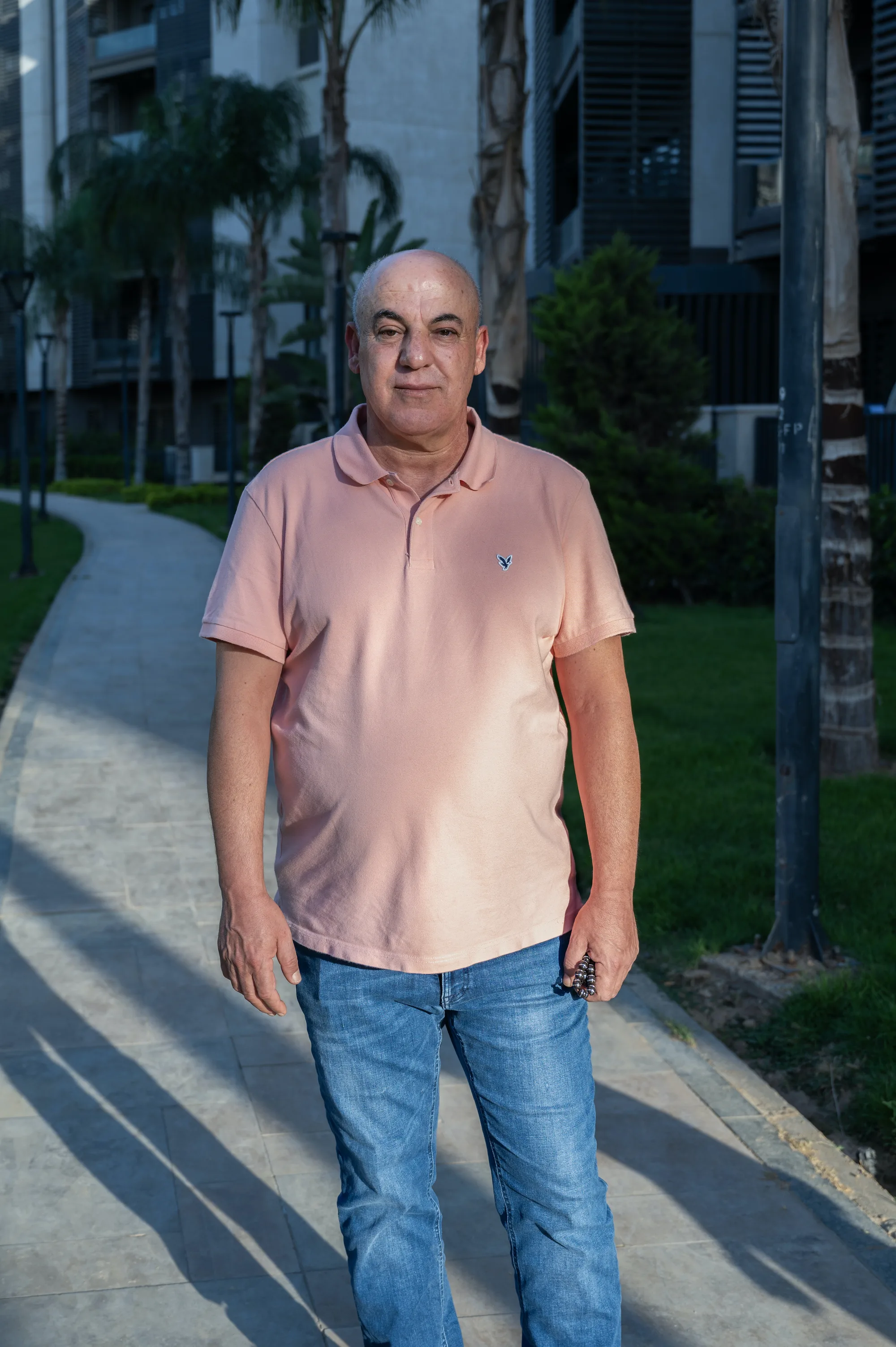
Humanitarian, living with the psychological trauma of 22 years saving civilian lives in Gaza.
Imad is 60, from Gaza City. Before he ever worked in emergencies, he was a special education teacher, working with children who had physical, hearing and learning disabilities. When the chance came to join one of the world's best-known humanitarian organisations, he took it, and spent 22 years with the International Committee of the Red Cross (ICRC) as a protection field officer, serving his own community in his own city. He resigned only a few months before the most recent war, worn down by the toll the work had taken on his mental health.
"Humanitarian comes from the fact that we are human. If we do not hold to our human principles, we go back to the stone age."
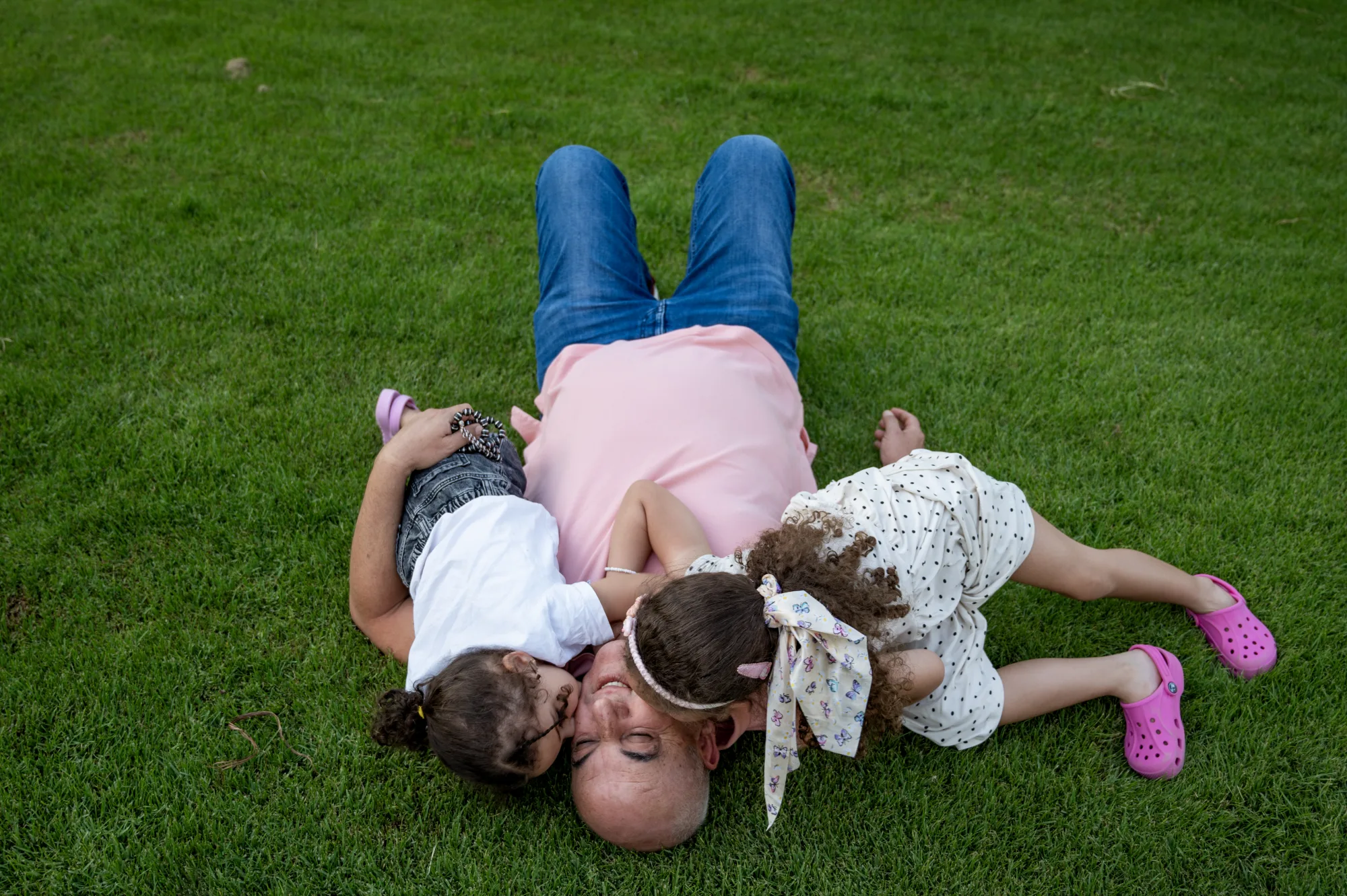
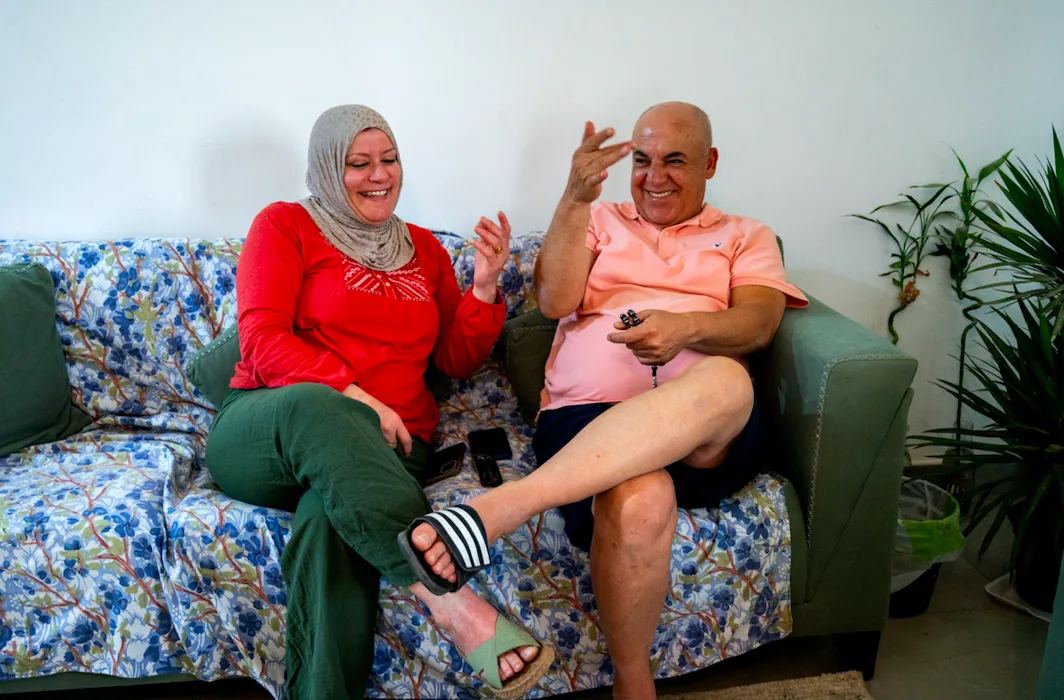
Ask Imad who he is away from his job, and he describes someone sensitive, emotional, easily moved, so much so that he calls it his weakness, because he carries other people's pain as his own. He adores children. Time with his grandchildren, he says, is his life fuel. He is funny, sociable, and loves to spend quality time with friends.
As a field officer, Imad monitored the impact of the fighting around the clock, every day of the year. He documented violations, sat with families who had lost children, homes, everything, and visited the sites to record what had happened. He brought food and water to people trapped behind the fighting, and escorted ambulance and rescue teams through combat zones to reach the wounded. Most people mute their phones at night. He did the opposite, sleeping with his phone on and his maps beside him, because a call for a life-saving evacuation could come at any hour. Even at a dinner or on the beach, he carried his means of communication everywhere.
It came at a private cost. Night after night he was away from his own family, saving others, while bombs fell near his children and he could not be sure they were safe. He carried each family's grief home and could share it with no one.
He kept doing it because of what he understood the work to be. A humanitarian cannot give a grieving family back what they have lost, and Imad never pretended otherwise. What he could give them was the knowledge that they were not forgotten, someone genuinely cared about their loss, someone shared their sorrow.
Some cases never leave him. He once documented a teenage boy who had lost his sight and did not yet know it was permanent. The family asked Imad to keep his hope alive, so he sat with the boy and talked about the surgery that would let him see again, a surgery that would never come.
Years later, during one operation, he reached a neighbourhood that had been cut off for days. The streets were destroyed, bodies lay where they had fallen. In a storeroom beneath a building he found the remains of 21 people from one extended family, sheltering together when a missile came through the roof. Among the deceased was a boy of about ten who had been alive the night before. If access had been granted a day earlier, Imad says, they could have saved him.
Imad watched the risk to humanitarians deteriorate across his 22 years. In his first decade, he says, he felt like a protected angel. The emblem on his vest was enough to move anywhere, and coordination to reach a trapped family or evacuate the wounded came quickly. The wounded have a golden window of ten or fifteen minutes; miss it, and a life is lost. In those years, that window was respected.
By the end of his career, he was waiting days and weeks for permission to evacuate the wounded, watching the requests pile up while nothing happened.
"In the first ten years, I felt I was a protected angel. Wearing the emblem was enough to move everywhere."
He is extremely worried about the deterioration in respect for international humanitarian law and the excessive use of force in urban areas. He is not shocked by what happened in Gaza, he says, because he saw this deterioration coming, and he believes it will not stay in Gaza. When leaders can announce publicly that they will flatten civilian infrastructure and the world accepts it as normal, he asks, what does the next decade look like?
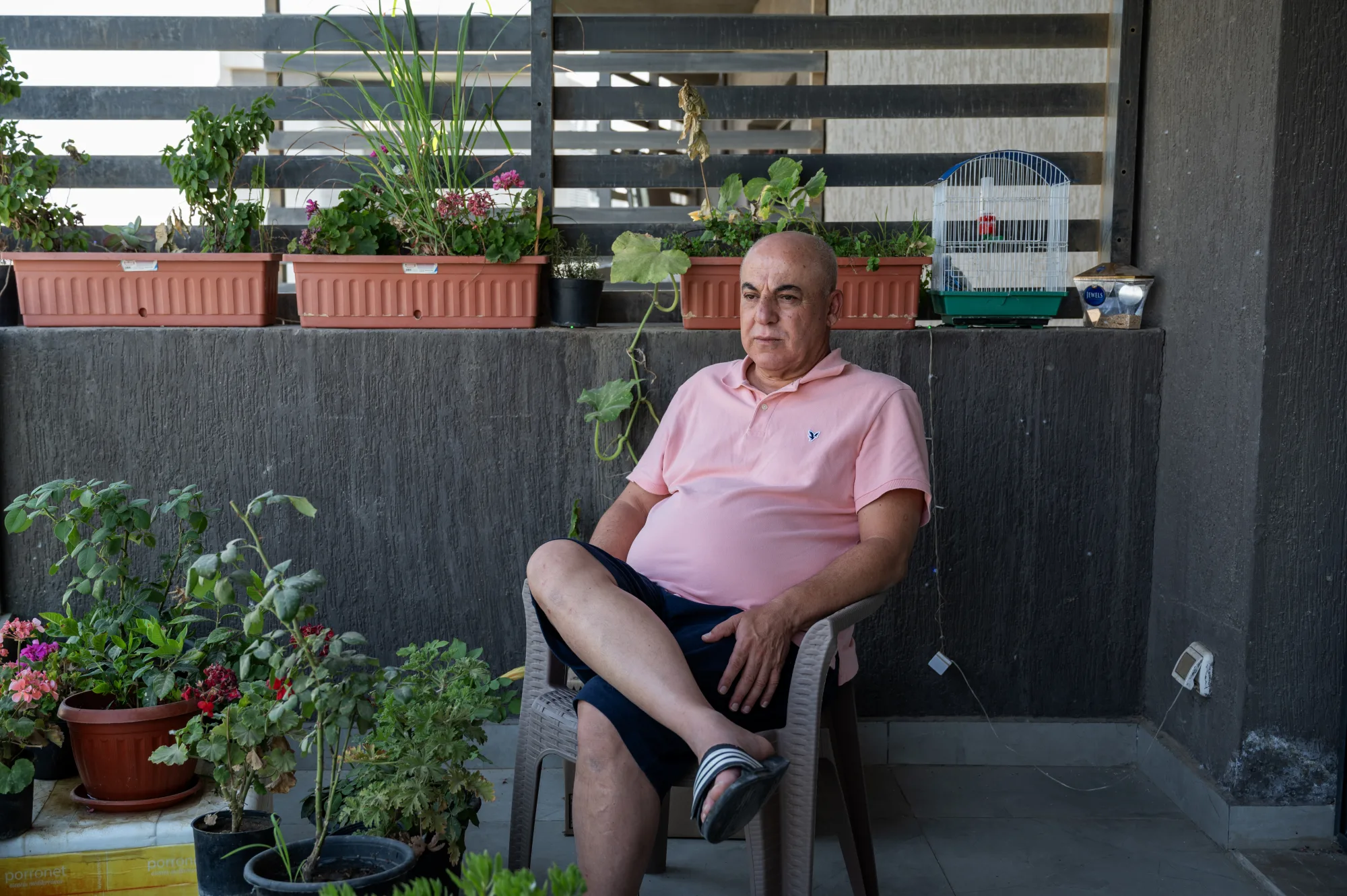
Since fleeing to Egypt with his sons, their wives and his grandchildren, Imad has been trying to recover from what cannot easily be recovered from. For months in Gaza, he says, he and his children did not feel safe for a single second. There were moments he thought of ending his own life. He speaks about this openly now, which few humanitarian workers do.
He is safer today, but he still cannot sleep properly, still carries the anxiety. He watches only a few minutes of news a day, walks among green spaces, listens to music, and has made himself one promise, to finally look after himself, after a lifetime spent looking after everyone else.
Imad is clear about the unique benefits that local staff bring. They understand the context, the culture, the history of the conflict. When a new international delegate arrived, often for the first time in the region, it was Imad who taught them how things worked, how to greet people, what the community would and would not accept, what had changed over the past few years.
National staff, he says, hold a record of the conflict’s history, they know the culture, what is accepted and what is not, the dress code, the language, and more.
That closeness carries its own dangers. Working in your own community means documenting harm done by people you may know, staying neutral while every side watches to see whose side you are on. It means facing families who blame you directly when access is refused or a rescue goes wrong, and absorbing that anger in person. Local responders like Imad hold the trust that makes the work possible, and they carry the risks that come with being known locally.
Imad believes the first protection of a humanitarian should come from their own organisation, from leadership that treats staff as people rather than as computers to finish the report and document the next case. Mental health support, when it was finally offered to him, came too late.
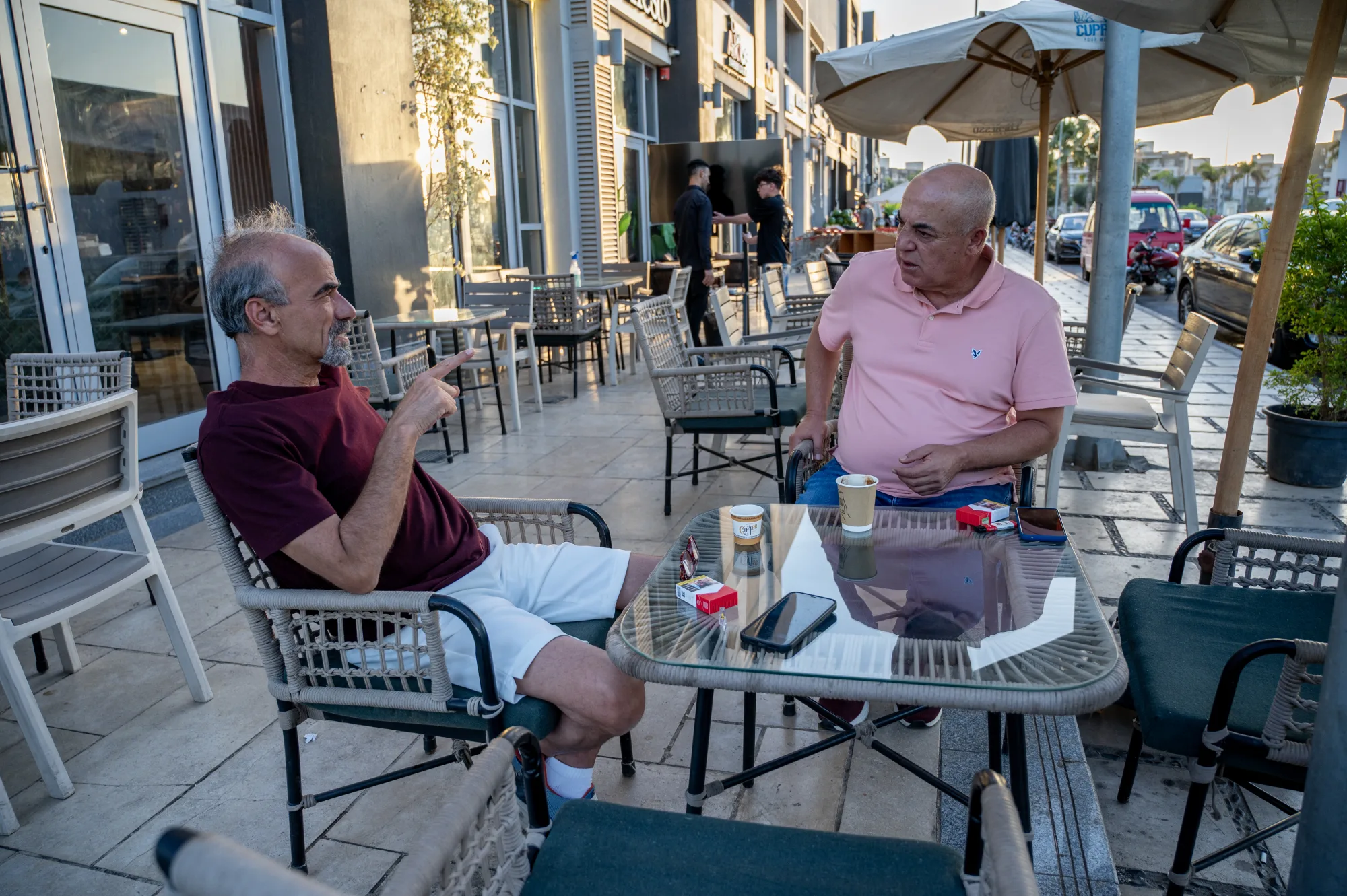
What did reach him was more personal. Some individual managers paid a lot of attention to wellbeing, expressing solidarity and empathy. Former international colleagues, some from twenty years ago, checked in on him like family. One, a former head of the local mission, travelled to Cairo with his own children simply to sit with him for a few days.
Asked what humanitarians need to be protected, Imad's answer is two words: accountability and respect. Not from aid organisations, who cannot enforce it, but from the international community, whose job it is to hold to account those who ignore international humanitarian law. To anyone with the power to change this, his message is blunt as he tells them to "wake up. What's wrong with you? Bring back your humanity. Do not close an eye, because this might happen to you too."
He calls on the humanitarian sector to raise their voice loudly whenever a humanitarian comes under attack, so people can see that it isn’t an isolated incident but part of coordinated attacks against humanitarians. And he urges Europe to do more, to restore their position and take up their leadership again in upholding humanitarian principles.
After everything, Imad reduces it to four words for the people who pass his face on the street and read his story, "if you are human, help humanity."
How Protect Humanitarians supports Imad
Protect Humanitarians stands with Imad as part of our survivor network, alongside humanitarians and families affected by attacks, detention and persecution worldwide.
Photos: © Heba Khamis/Protect Humanitarians
Your donation provides psychological support, legal assistance, and advocates for the release of detained humanitarians.