Make humanity shine.
Donate to support humanitarians at risk
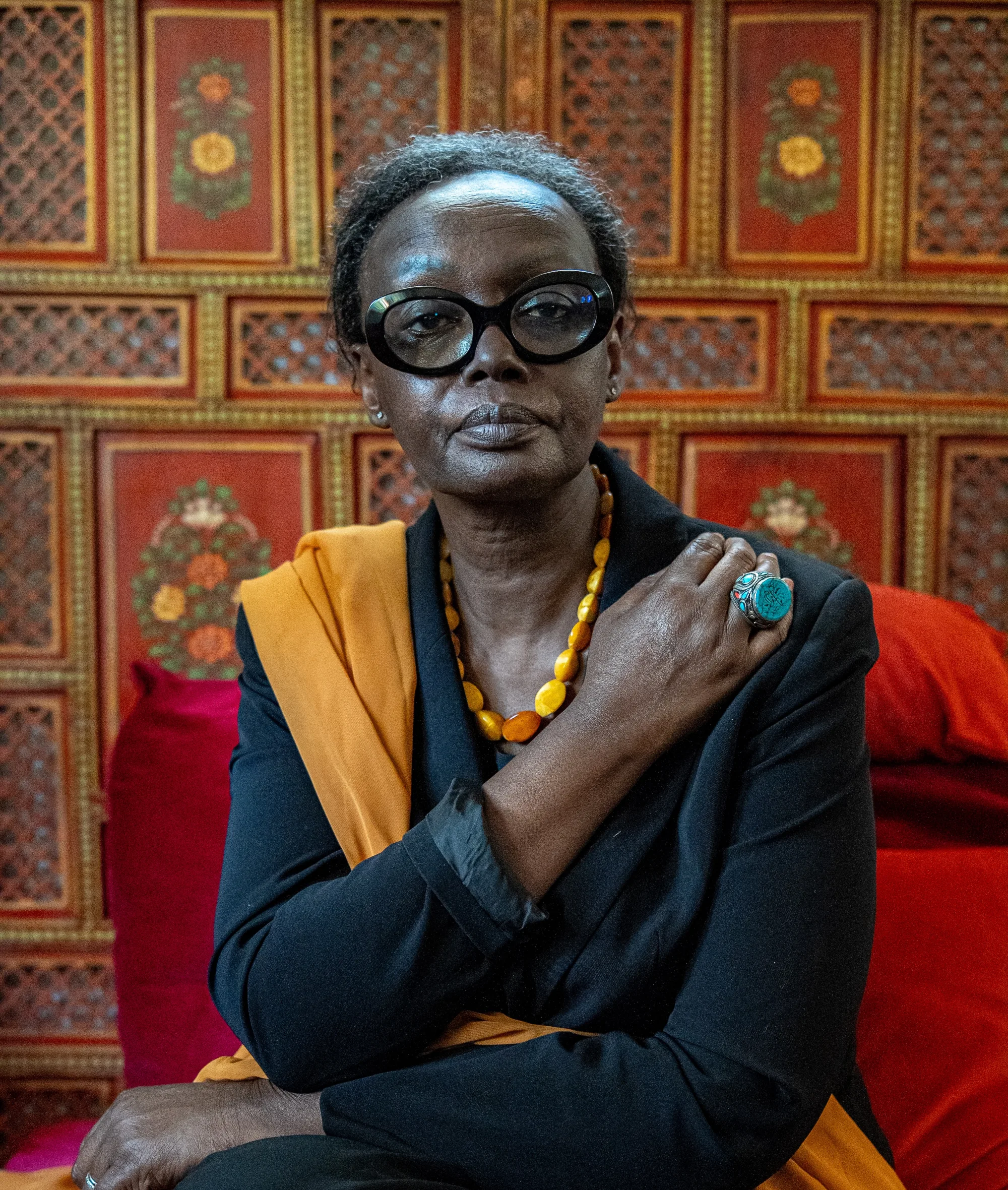
AFFET
Family member
Sister of humanitarian currently detained in Tunisia, sentenced to 8 years in prison for defending migrants and fighting racism.
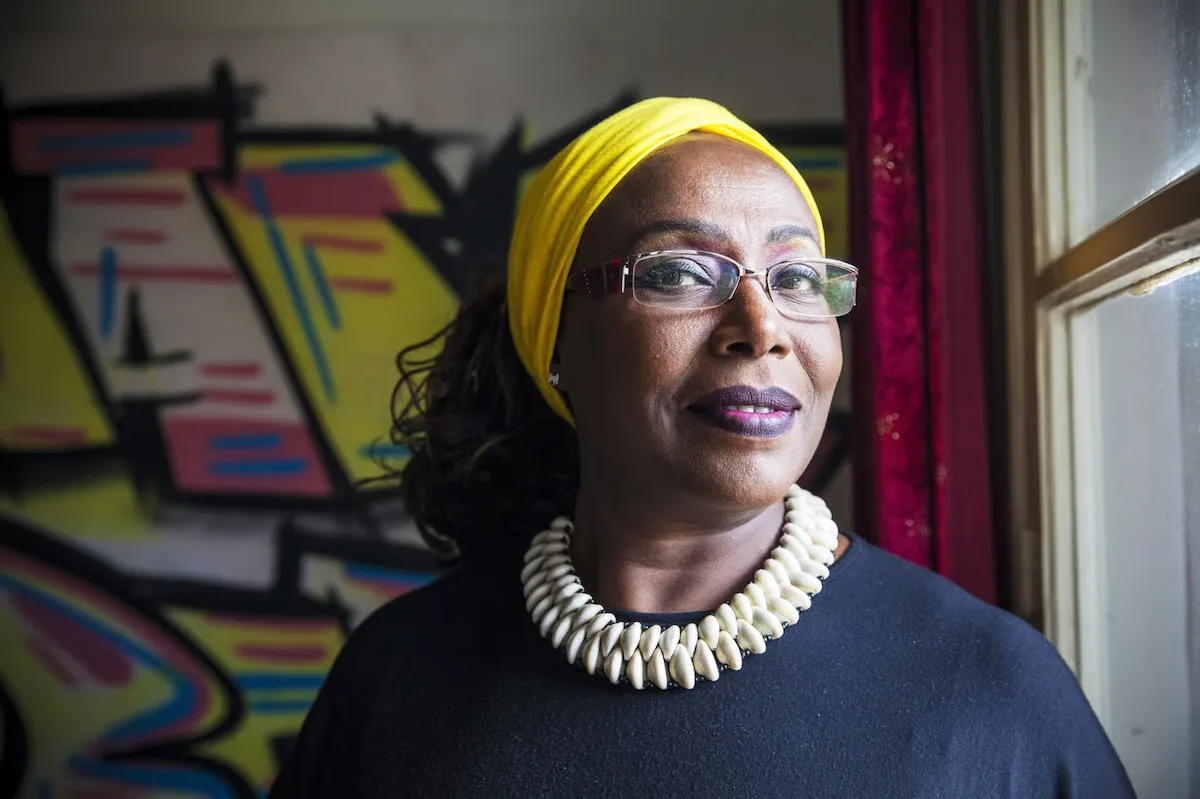
Affet Mosbah is French and Tunisian, a former communications director in Paris. She is the sister of Saâdia Mosbah, the anti-racism campaigner detained in Tunisia since May 2024 and now serving an eight-year sentence for defending migrants and fighting racism.
In 2004 Affet wrote the first article on what it means to be Black in Tunisia, on the everyday racism experienced by Black Tunisians, then stepped back and watched her sister take up the fight and make it her life's work. Saâdia’s arrest in 2024 brought Affet back to the cause. Her arrest and the fight to free her has changed Affet’s life, because, as she explains, a person is never detained alone. A whole family is "in custody" with them too.
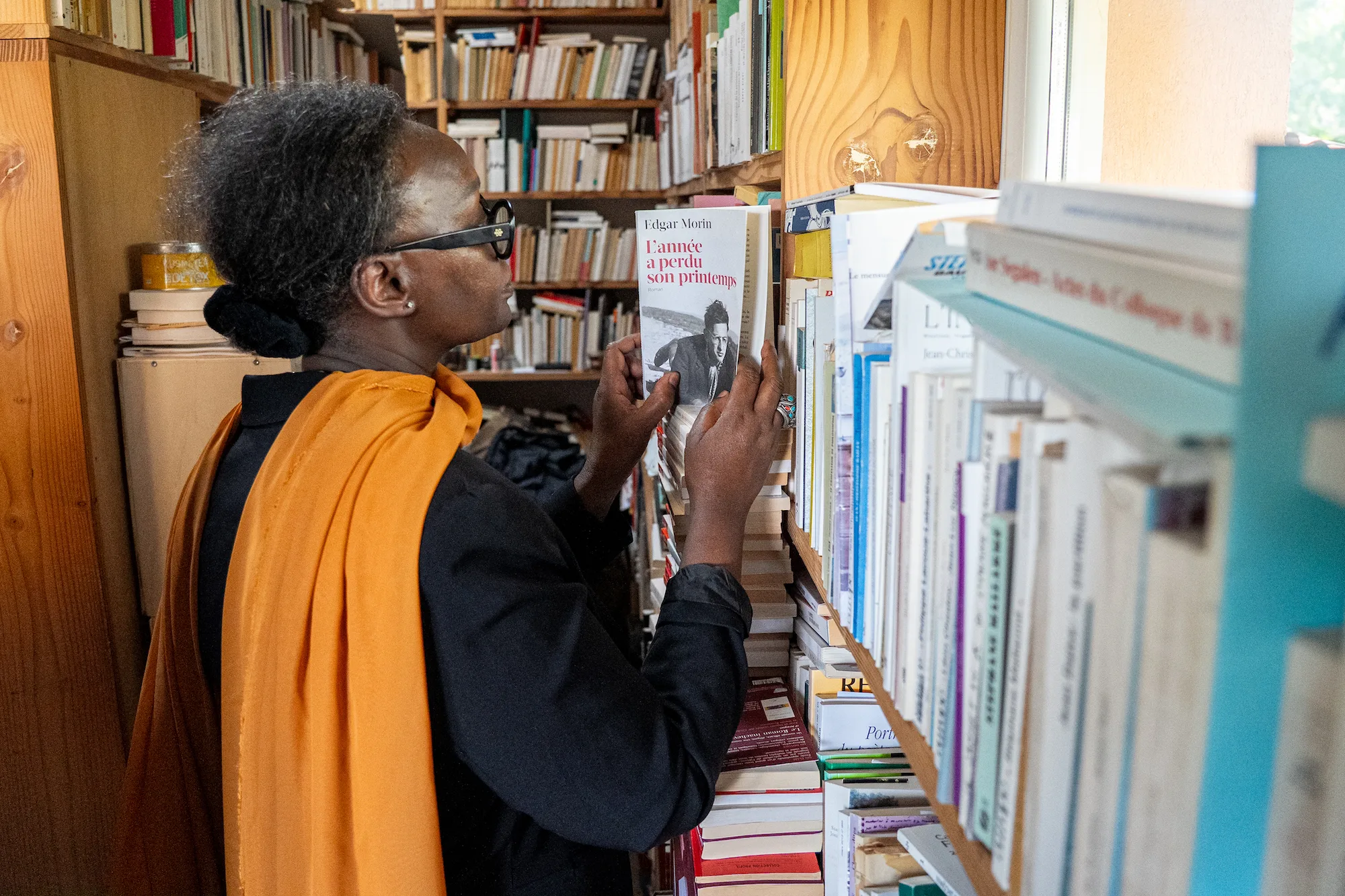
Her sister, she says, is a gem, full of life, physically courageous, someone who has never been able to bear an injustice without standing up to it. Saadia founded the association Mnemty, which means "my dream," named after Martin Luther King. Her dream was a Tunisia where Black and white citizens were equal. She fought for and helped win a landmark law against racial discrimination, the first of its kind in the region and the Arab world. And then, in one of the paradoxes Affet keeps returning to, the woman who fought so hard to get that law passed found herself in prison.
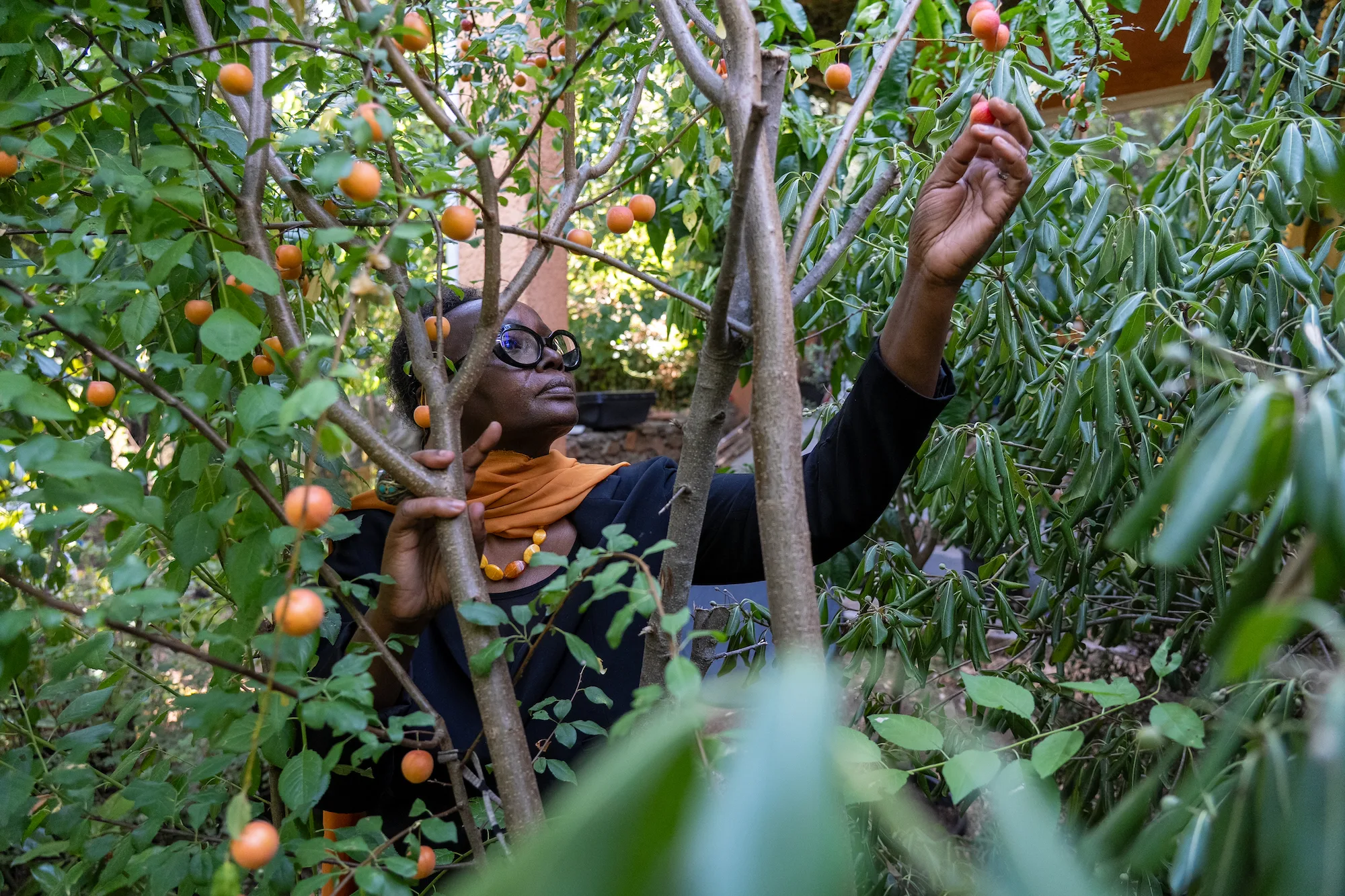
"M'nemty means 'my dream'. That dream turned into a nightmare."
Affet was on the phone with Saâdia the very morning it began. Her sister's accounts had been hacked, and she was being flooded with hundreds of hostile messages. Affet told her to take them to the police. Saâdia went. The police told her they would come to help her. They came, but it was her they came for. They told her son it was nothing, a few questions, that she would be home in a few hours. Saadia has now entered her third year of detention.
At first the family told themselves it was a mistake that would pass. It did not. Saadia was held in pre-trial detention for a year and a half, in conditions Affet describes as inhuman, through proceedings that she says were deliberately drawn out. For a while, they clung to the law, such as one stating that a person must be freed after 14 months if nothing is proven by the investigating judge. That law, Affet says, no longer holds. In the end Saâdia was sentenced to eight years, a sentence confirmed on appeal.
Learning this sentence, Affet felt it physically, like the blood draining from her body. Because Saâdia is never told of her own convictions in real time, it falls to the family to carry the news to her, through a ten-minute weekly visit conducted by telephone through a pane of glass, recorded, watched. Despite all this, and from the very beginning, Saâdia has insisted on protecting everyone else in her association, telling the court again and again that she alone is responsible, and to leave the others alone.
Affet describes a life narrowed to her sister's rhythm. What is she eating? What can be sent to her? Which books are allowed, and which are refused? The family lives watched and careful, guarding what they say. And the ordeal has cost Affet in more hidden ways too. It did not draw the family together, and she lost many friends, some of whom, frightened, simply disappeared. What replaced them, over time, was support she had not expected, from organisations that convinced her to make the fight visible, because a cause that is not seen is a detainee who is forgotten.
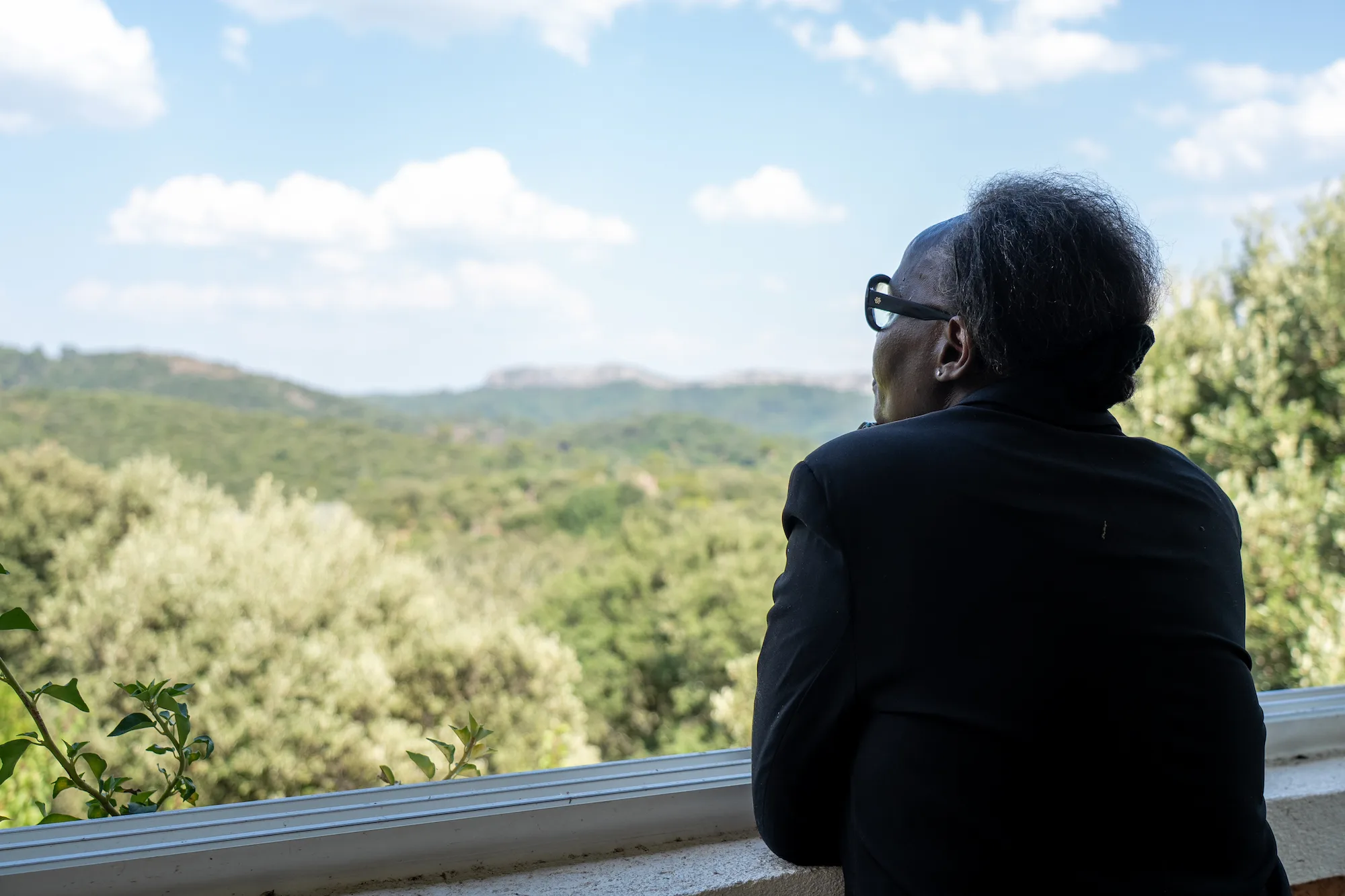
What Affet urges most of all is not to stay silent. Silence is what allows a detainee to be forgotten, reduced to a number, a mouth to feed, erased, rubbed out of civic life. The only defence against that is to keep speaking, to keep the person visible, and to give back the voice that has been unjustly taken from them.
To those with the power to act, her message is not a request for help but a warning: wake up. Saâdia's fight, she says, is a universal one. Do not tell the family 'we support you' while profiting from migration pacts that you have signed. And bring the countries concerned with migration to the table to confront the issue, including the states from which many migrants come. She insists that to outsource the problem is to look away from the crime, to make others carry it, and to criminalise solidarity.
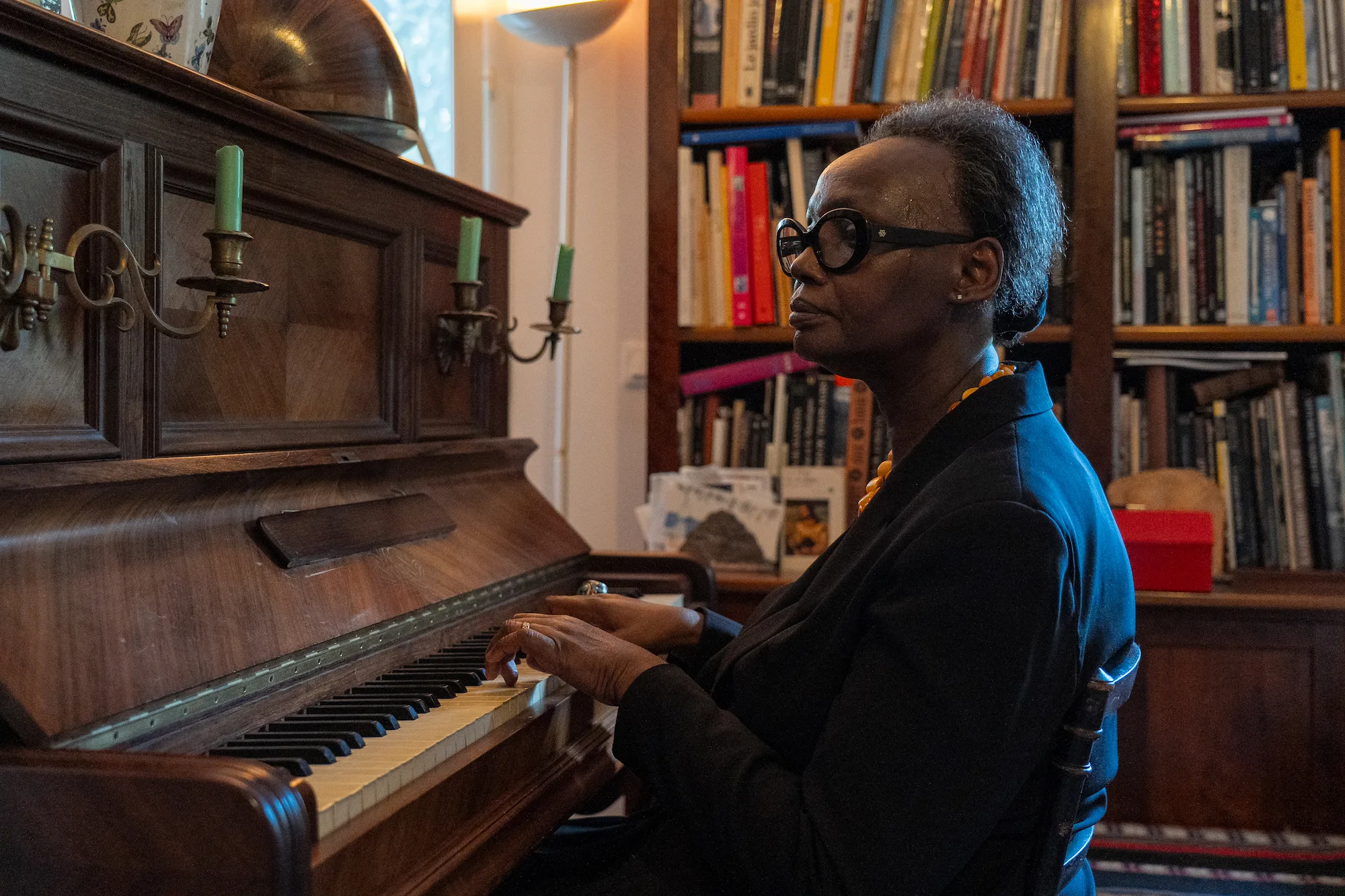
When asked what she wants a stranger to feel when they pass one of these faces in the street, whether Saâdia's or her own, Affet imagines reaching out through the image itself to take the hand of their hand, to draw them into the poster, and in so doing, make them responsible for the humanity they share. That humanity, she says, is a single, precious, common good: no one is human without the other, and our faces are mirrors of each other. What she asks people to protect is not only Saâdia, or herself, but the human itself. For a fraction of a second, the person on the poster and the person meeting their eyes are both part of the human condition, and both must be protected, absolutely. Without that, she says, we are only ghosts.
How Protect Humanitarians supports Affet and her family
Protect Humanitarians stands with Affet and her family through Saâdia's detention, and campaigns for her release. You can learn more about her case and take action to demand her immediate release by signing the petition here.
Photos: © Tom Serrano/Protect Humanitarians
Your donation provides psychological support, legal assistance, and advocates for the release of detained humanitarians.