Make humanity shine.
Steun hulpverleners in gevaar met een donatie
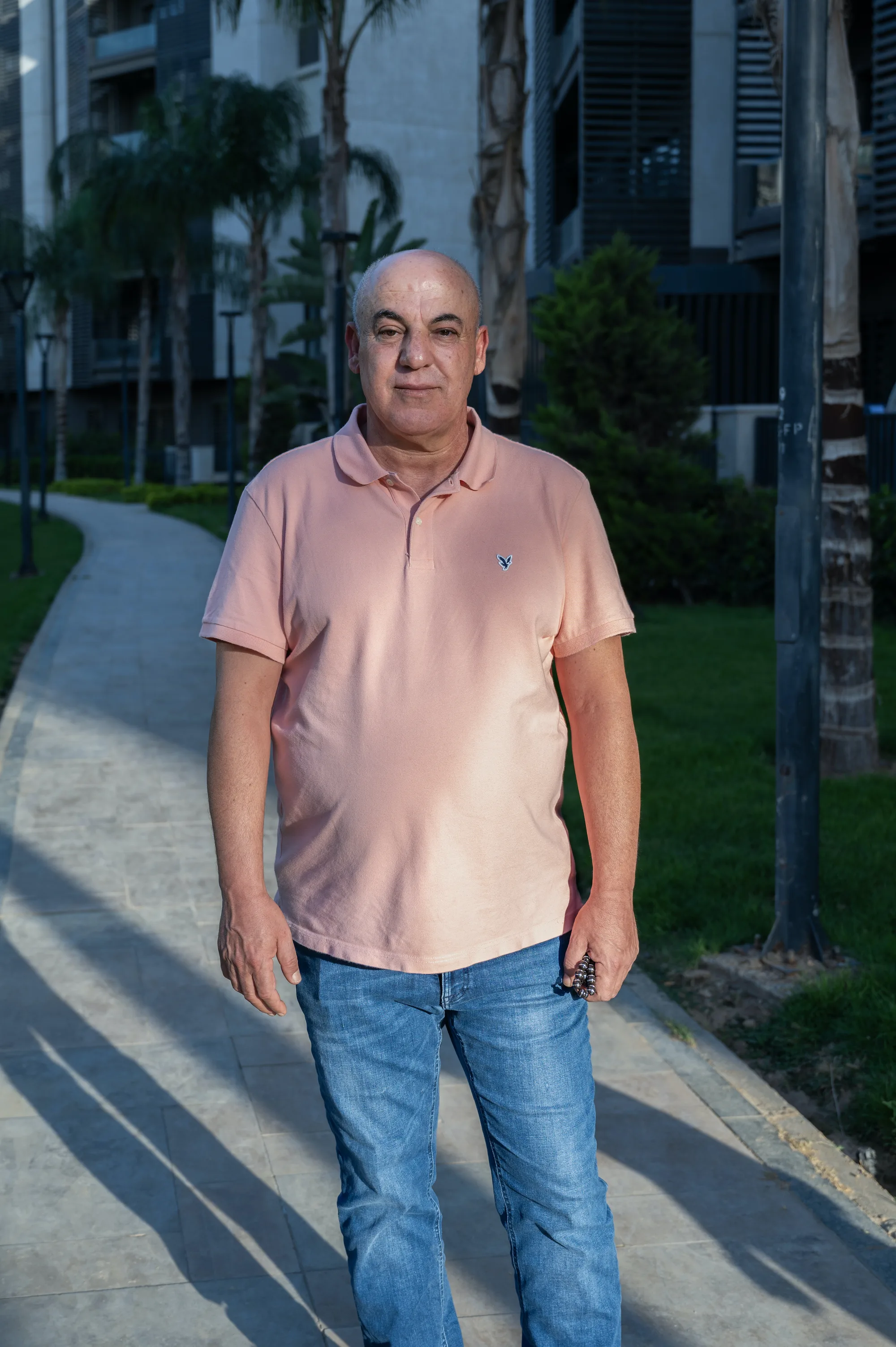
IMAD
Hulpverlener
Hulpverlener, leeft met de psychische littekens van 22 jaar waarin hij burger levens redde in Gaza.
Imad is 60 jaar oud en komt uit de stad Gaza. Voordat hij in de noodhulp ging werken, was hij gespecialiseerd leraar voor kinderen met lichamelijke, auditieve en leerbeperkingen. Toen hij de kans kreeg om bij een van de bekendste humanitaire organisaties ter wereld te gaan werken, greep hij die kans met beide handen aan en werkte hij 22 jaar bij het Internationale Comité van het Rode Kruis (ICRC) als verantwoordelijke voor bescherming in het veld, ten dienste van zijn eigen gemeenschap in zijn eigen stad. Hij nam slechts enkele maanden voor de laatste oorlog ontslag, uitgeput door de gevolgen van zijn werk voor zijn geestelijke gezondheid.
"Humanitaire hulp vloeit voort uit het feit dat we mensen zijn. Als we onze menselijke principes niet respecteren, keren we terug naar het stenen tijdperk.“
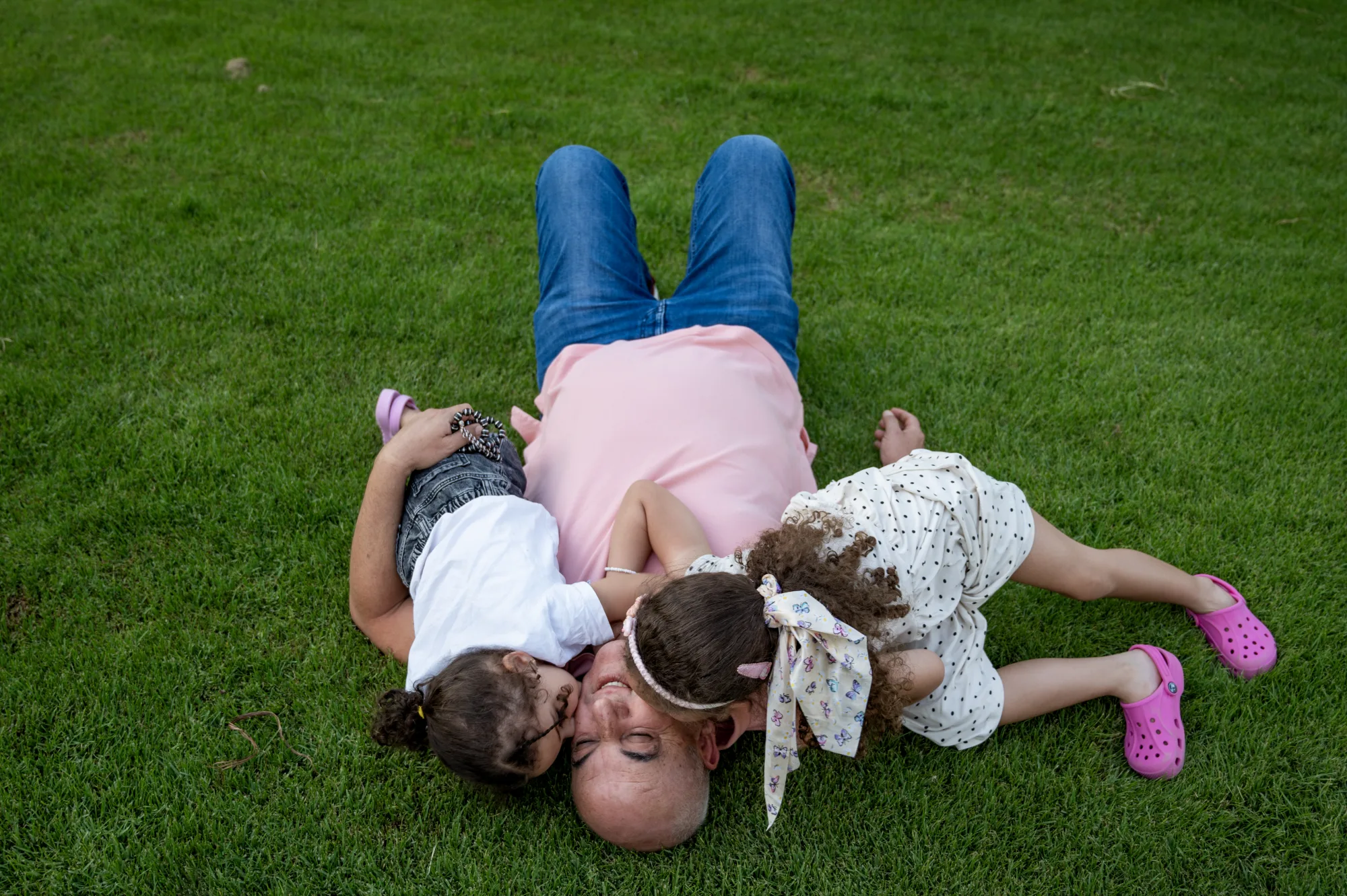
Vraag Imad wie hij buiten zijn werk is, en hij beschrijft zichzelf als iemand die gevoelig en emotioneel is, die snel ontroerd raakt – zozeer zelfs dat hij dit als een zwakte beschouwt, omdat hij het leed van anderen draagt alsof het zijn eigen leed is. Hij is dol op kinderen. De tijd die hij met zijn kleinkinderen doorbrengt, zegt hij, is de drijfveer van zijn leven. Hij is grappig, sociaal en houdt ervan om gezellig met zijn vrienden op stap te gaan.
Als veldwerker hield Imad 24 uur per dag, elke dag van het jaar, de gevolgen van de gevechten in de gaten. Hij legde schendingen vast, sprak met gezinnen die hun kinderen, hun huizen en al hun bezittingen hadden verloren, en begaf zich ter plaatse om vast te leggen wat er was gebeurd. Hij bracht voedsel en water naar mensen die vastzaten in het hart van de gevechten, en begeleidde ambulances en reddingsteams door de gevechtszones om de gewonden te bereiken. De meeste mensen zetten hun telefoon ’s nachts op stil. Hij deed het tegenovergestelde: hij sliep met zijn telefoon aan en zijn kaarten binnen handbereik, want een oproep voor een levensreddende evacuatie kon op elk moment binnenkomen. Zelfs in het restaurant of op het strand nam hij zijn communicatiemiddelen overal mee naartoe.
Dat eiste zijn tol op persoonlijk vlak. Nacht na nacht was hij ver van zijn eigen gezin, terwijl hij dat van anderen redde, terwijl er bommen vlakbij zijn kinderen vielen en hij er niet zeker van kon zijn dat ze veilig waren. Hij nam het verdriet van elke familie mee naar huis en kon dat met niemand delen.
Hij bleef het doen omdat hij begreep wat zijn werk inhield. Een hulpverlener kan een rouwende familie niet teruggeven wat ze verloren heeft, en Imad heeft nooit beweerd dat dat wel zo was. Wat hij hen wel kon bieden, was de zekerheid dat ze niet vergeten waren, dat iemand oprecht begaan was met hun verlies, dat iemand hun verdriet deelde.
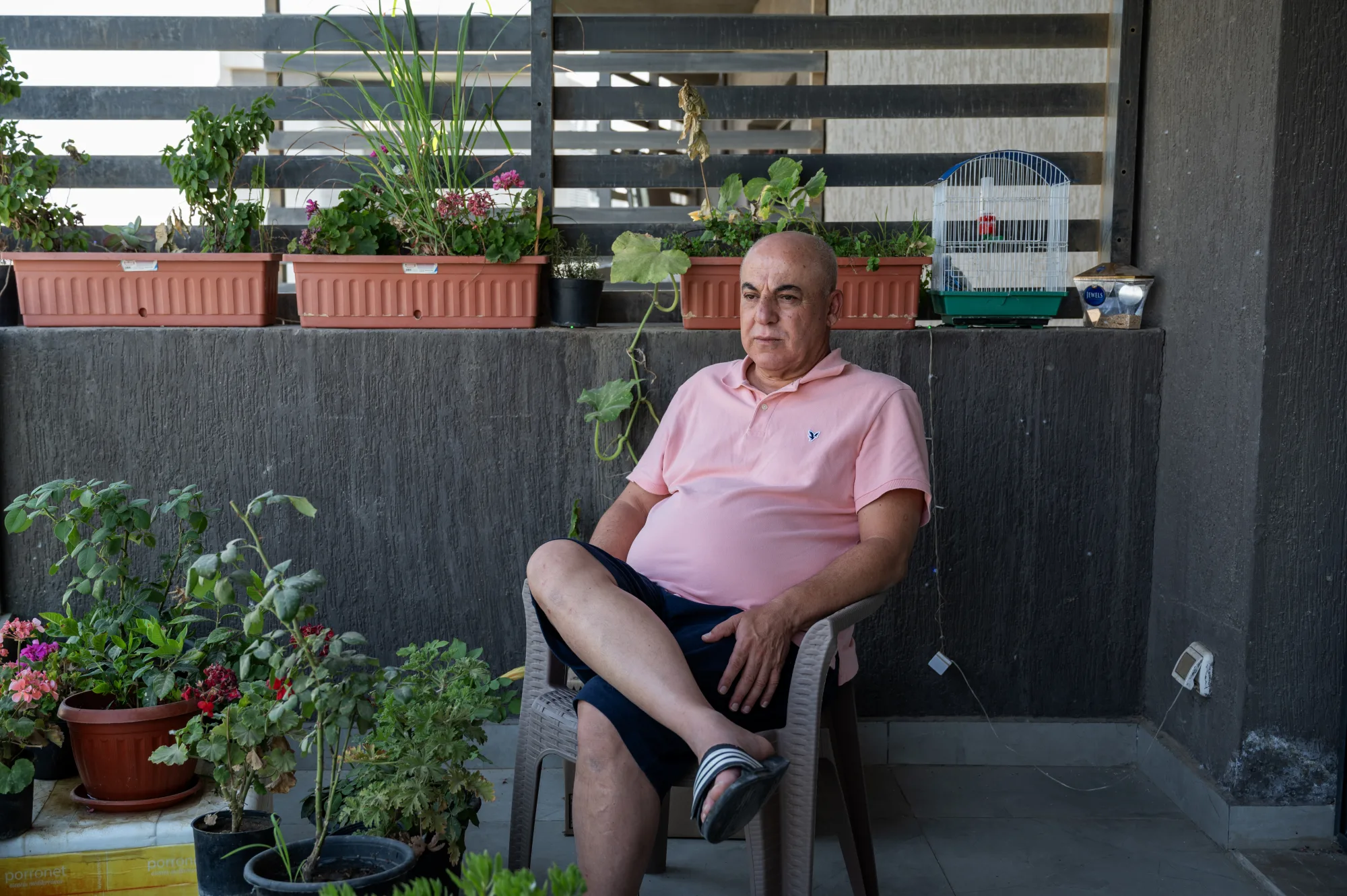
Sommige gevallen blijven hem altijd bij. Op een dag legde hij het geval vast van een tiener die zijn gezichtsvermogen had verloren en nog niet wist dat dit definitief was. De familie vroeg Imad om de jongen hoop te geven; dus ging hij bij de jongen zitten en vertelde hem over de operatie waarmee hij zijn gezichtsvermogen zou kunnen terugkrijgen, een operatie die nooit zou plaatsvinden.
Jaren later kwam hij tijdens een operatie terecht in een wijk die al dagenlang van de buitenwereld was afgesneden. De straten waren verwoest, lichamen lagen waar ze waren gevallen. In een opslagruimte onder een flatgebouw ontdekte hij de stoffelijke resten van 21 mensen uit één uitgebreide familie, die samen hun toevlucht hadden gezocht toen een raket het dak had doorboord. Onder de slachtoffers bevond zich een jongen van een jaar of tien die de avond ervoor nog in leven was. Als ze er een dag eerder toegang toe hadden gekregen, zegt Imad, hadden ze hem kunnen redden.
Imad heeft in de loop van zijn 22-jarige loopbaan gezien hoe de risico’s voor hulpverleners steeds groter zijn geworden. In de eerste tien jaar, zo vertelt hij, voelde hij zich als een beschermengel. Het embleem op zijn vest was voldoende om overal te kunnen komen, en de coördinatie die nodig was om een ingesloten gezin te bereiken of gewonden te evacueren, kwam snel op gang. Gewonden hebben een cruciale tijdspanne van tien tot vijftien minuten; als die wordt gemist, is er een leven verloren. In die tijd werd die tijdspanne gerespecteerd.
Tegen het einde van zijn loopbaan moest hij dagen, zelfs weken wachten op toestemming om gewonden te evacueren, terwijl de verzoeken zich opstapelden zonder dat er iets gebeurde.
"In de eerste tien jaar had ik het gevoel dat ik een beschermengel was. Alleen al het dragen van het embleem was voldoende om overal toegang te krijgen.“
Hij maakt zich grote zorgen over de verslechtering van de naleving van het internationaal humanitair recht en over het buitensporige gebruik van geweld in stedelijke gebieden. Hij is niet geschokt door wat er in Gaza is gebeurd, zegt hij, omdat hij deze verslechtering al had zien aankomen, en hij is van mening dat deze zich niet tot Gaza zal beperken. Wanneer leiders in het openbaar kunnen aankondigen dat ze civiele infrastructuur met de grond gelijk zullen maken en de wereld dat als iets normaals accepteert, vraagt hij zich af: hoe zal het komende decennium er dan uitzien?
Sinds hij met zijn zonen, hun vrouwen en zijn kleinkinderen naar Egypte is gevlucht, probeert Imad te herstellen van een beproeving waar je niet gemakkelijk overheen komt. Maandenlang in Gaza, zo vertelt hij, hebben hij en zijn kinderen zich geen seconde veilig gevoeld. Er waren momenten waarop hij erover dacht om een einde aan zijn leven te maken. Daar spreekt hij vandaag openlijk over, iets wat maar weinig hulpverleners durven te doen.
Hij is nu veiliger, maar slaapt nog steeds niet goed en blijft in de greep van angst. Hij kijkt maar een paar minuten per dag naar het nieuws, maakt wandelingen in het groen, luistert naar muziek en heeft zichzelf een belofte gedaan: eindelijk voor zichzelf zorgen, nadat hij zijn hele leven voor iedereen heeft gezorgd.
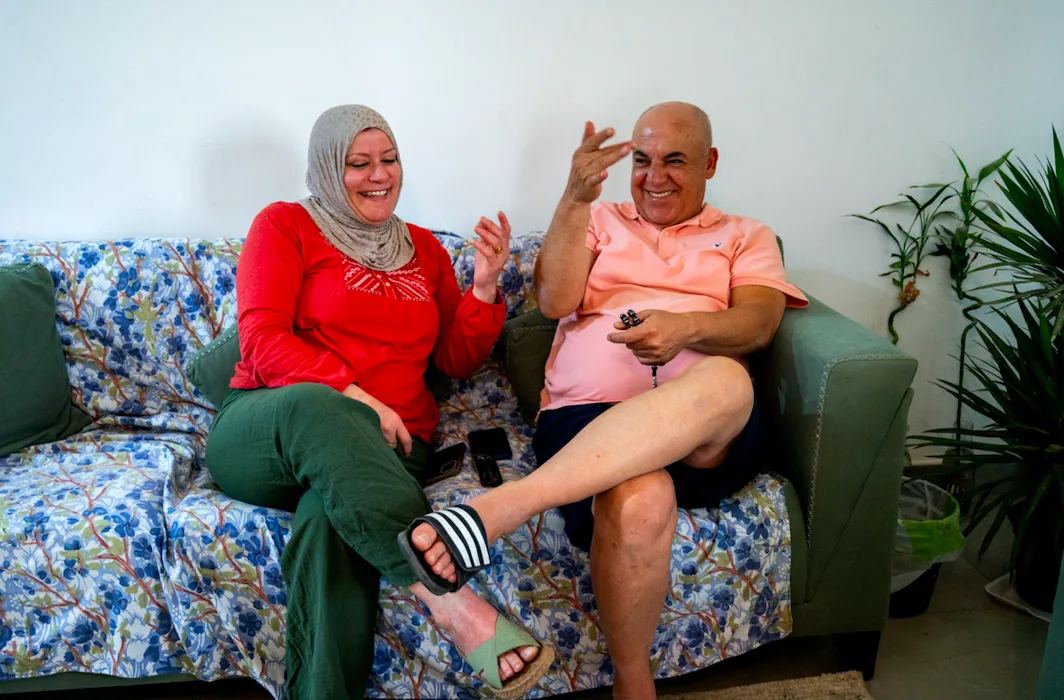
Imad is overtuigd van de unieke troeven die lokale teams in zich hebben. Zij begrijpen de context, de cultuur en de geschiedenis van het conflict. Wanneer er een nieuwe internationale afgevaardigde arriveerde – vaak voor het eerst in de regio – was het Imad die hem uitlegde hoe de dingen werkten, hoe je mensen moest begroeten, wat de gemeenschap wel of niet accepteerde, en wat er de afgelopen jaren was veranderd.
Volgens hem bezitten de nationale medewerkers een levend geheugen van de geschiedenis van het conflict; ze kennen de cultuur, wat wel en niet geaccepteerd wordt, de kledingvoorschriften, de taal en nog veel meer.
Deze nabijheid brengt zijn eigen gevaren met zich mee. Werken binnen je eigen gemeenschap betekent dat je verslag moet doen van het leed dat wordt veroorzaakt door mensen die je misschien kent, terwijl je neutraal moet blijven terwijl alle partijen in de gaten houden aan welke kant je staat. Het betekent dat je te maken krijgt met families die je rechtstreeks verwijten dat je hen de toegang hebt geweigerd of dat een reddingsoperatie is mislukt, en dat je die woede persoonlijk moet incasseren. Lokale hulpverleners zoals Imad genieten het vertrouwen dat dit werk mogelijk maakt, en zij nemen de risico’s op zich die gepaard gaan met het feit dat ze lokaal bekend zijn.
Imad is van mening dat de eerste bescherming van een hulpverlener zou moeten komen van zijn eigen organisatie, van een leiding die het personeel behandelt als mensen in plaats van als machines die bedoeld zijn om een rapport in te vullen en de volgende zaak te documenteren. De ondersteuning op het gebied van geestelijke gezondheid, toen die hem eindelijk werd aangeboden, kwam te laat.
Wat hem echt raakte, was van meer persoonlijke aard. Sommige leidinggevenden besteedden veel aandacht aan zijn welzijn en betuigden hun solidariteit en empathie. Voormalige internationale collega’s, van wie sommigen hij twintig jaar geleden had leren kennen, vroegen naar zijn welzijn alsof ze deel uitmaakten van zijn familie. Een van hen, een voormalig hoofd van de lokale missie, reisde met zijn eigen kinderen naar Caïro, alleen maar om een paar dagen bij hem door te brengen.
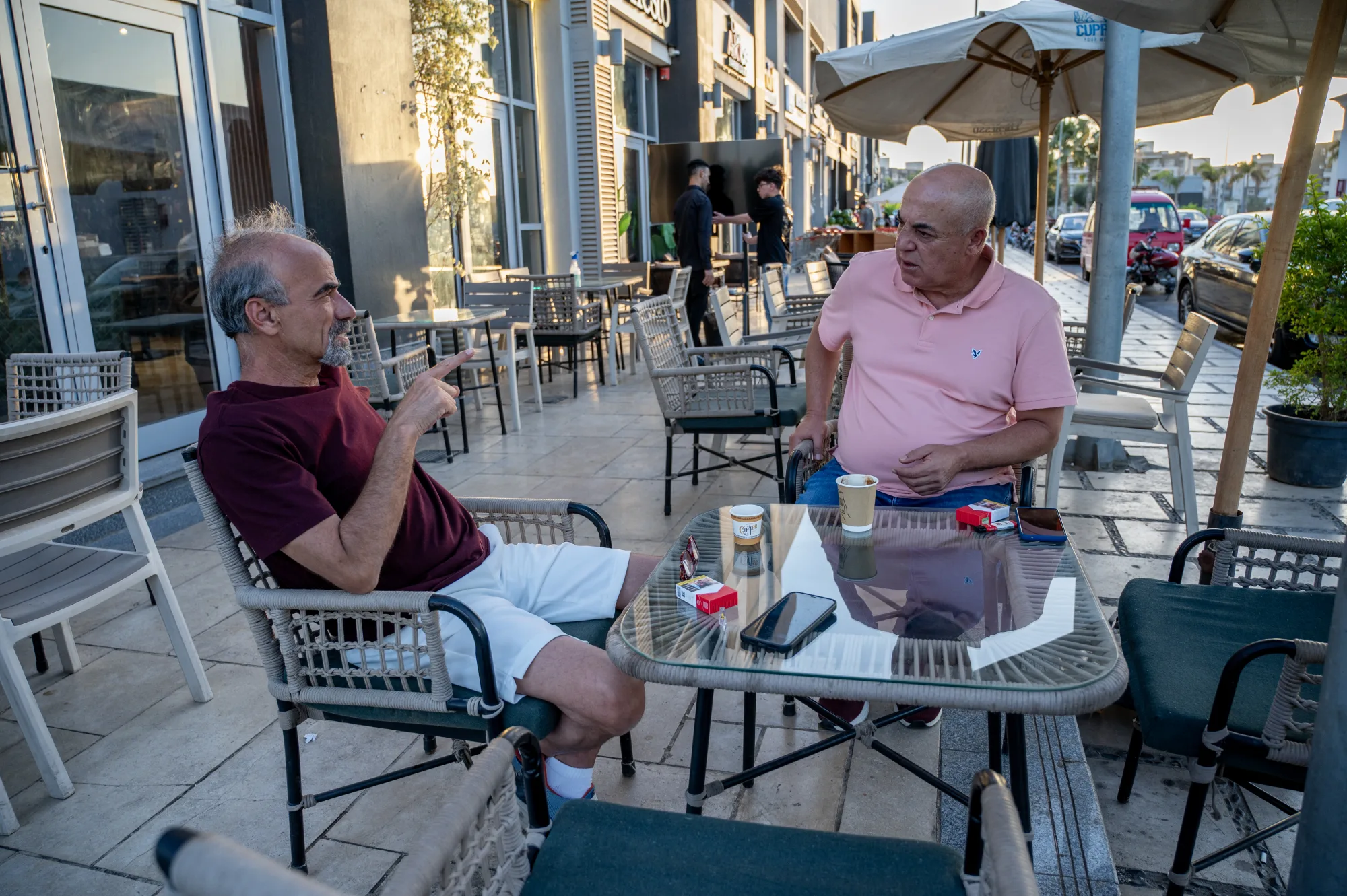
Als hem wordt gevraagd wat humanitaire hulpverleners nodig hebben om beschermd te worden, antwoordt Imad in twee woorden: verantwoordelijkheid en respect. Niet van de humanitaire organisaties, die deze niet kunnen afdwingen, maar van de internationale gemeenschap, die tot taak heeft degenen die het internationaal humanitair recht schenden ter verantwoording te roepen. Aan iedereen die de macht heeft om hier verandering in te brengen, is zijn boodschap duidelijk: „Word wakker. Wat is er mis met jullie? Vind jullie menselijkheid terug. Sluit jullie ogen niet, want het kan jullie ook overkomen. ”
Hij roept de humanitaire sector op om luid en duidelijk van zich te laten horen telkens wanneer een hulpverlener het doelwit wordt, zodat mensen kunnen inzien dat het niet om een op zichzelf staand incident gaat, maar om onderdeel van gecoördineerde aanvallen op hulpverleners. En hij dringt er bij Europa op aan om meer te doen, zijn positie te herwinnen en zijn leidende rol in de verdediging van humanitaire beginselen weer op te pakken.
Tot slot vat Imad dit alles in vier woorden samen, gericht aan de mensen die op straat zijn blik kruisen en zijn verhaal lezen: "Als je een mens bent, help dan de mensheid.”
Hoe Protect Humanitarians Imad ondersteunt
Protect Humanitarians staat achter Imad als onderdeel van ons netwerk van overlevenden, samen met hulpverleners en families die wereldwijd te maken hebben gehad met aanvallen, detentie en vervolging.
Uw gift biedt psychologische ondersteuning, juridische bijstand en pleit voor de vrijlating van gedetineerde hulpverleners.