Make humanity shine.
Donate to support humanitarians at risk
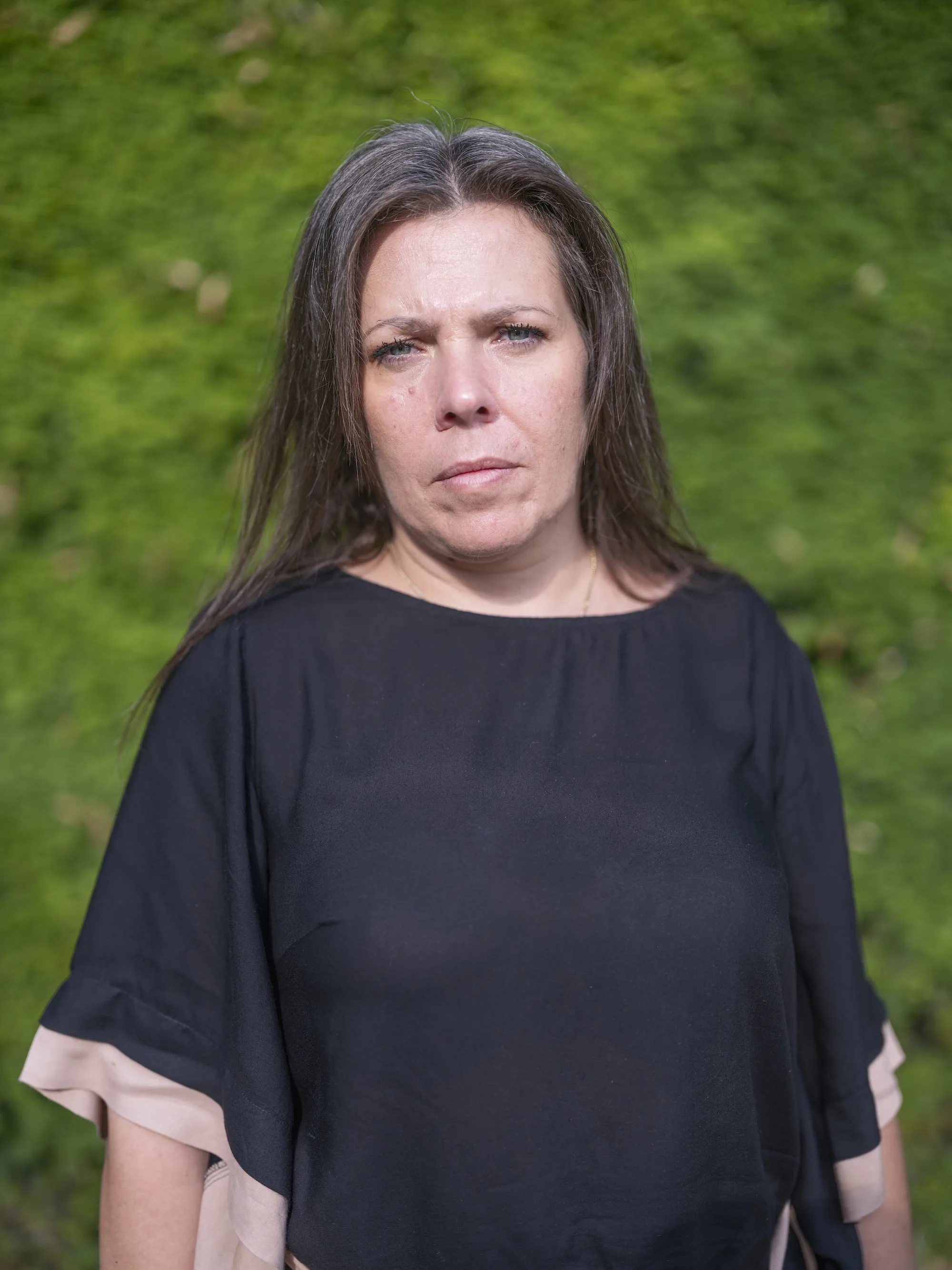
RAQUEL
Family member
Cousin of humanitarian abducted and wrongfully imprisoned for 681 days in the Central African Republic while working to reduce poverty.
Raquel Figueira is the cousin of Joseph Figueira Martin, a Belgian-Portuguese humanitarian held abroad for 681 days, now released. She is not, by her own account, someone who talks about herself or steps into the spotlight. She is here out of necessity, previously to bring Joseph home as fast as possible, and now for every other family fighting the same fight, so that they know someone has walked this path before them and come through it.
"If my testimony can bring a little strength, a little hope, or even a glimmer at the end of the tunnel, I think it is necessary."
Her cousin, she says, is a beautiful person with too big a heart, someone who will give away everything he has even when it is little, who helps his neighbour whether that is a friend, family, or a stranger. As a boy he wanted to be a vet, because he loves animals. He studied political science instead, interned and then worked at the International Crisis Group, and gave years of his life to analysis, reports and fieldwork for different NGOs. He is not someone who talks about what he does. Much of what Raquel learned about his work, she discovered only after he was taken, when the family went through his CV and contacted his colleagues to understand the scale of his humanitarian career and how he had devoted his life to helping others.
The family always knew when Joseph left on mission, and the date he was due back. Then the messages came, all at once, saying he had been kidnapped. Raquel remembers needing to sit down and put both feet on the ground. She phoned Joseph's brother, Georges, who told her he had been intercepted, but that they did not know by whom, and did not know where he was.
"I was bombarded with messages all at once saying that Joseph had been kidnapped. I was in total shock."
From that phone call, the fight began. Raquel and Georges spent three days and nights trying to understand what had happened, then started calling government departments and activating everyone they could reach. What followed was months of day-and-night effort, the two of them working as a tandem across two countries, Raquel in Belgium and Georges in Portugal. They divided the tasks, kept files, recorded every contact, made reports to each other like colleagues. Everything else in life came a long way behind. The top of the priority list, always, was Joseph.
They had assumed at first it was a mistake, a misunderstanding that would clear itself up. When they realised instead that the accusations against him were constructed, and that he was subjected to relentless disinformation, going public became a necessity rather than a choice. They took the time to explain his case to everyone they contacted, produced report after report, and built connections with anyone who would take up his cause, government ministries, MPs, MEPs, colleagues who immediately recognised the charges as a tissue of lies.
Raquel is clear that no single thing freed Joseph. It was the combination of everything, a European Parliament hearing, two resolutions passed almost unanimously, which she later learned is rare for one case, and the investment of a great many people. Her advice to families in the fight now comes from that. Keep hope. Never cut the link with the people who can help, even when they frustrate you, because governments are there to help and they need the family to give them the means. Knock on every door, and keep knocking.
The moment she learned Joseph was on the plane home was, she says, extreme joy, the feeling of being on a little cloud. He went straight to his mother, whose health had deteriorated after his disappearance and who by late 2025 had entered palliative care. His release, Raquel says, gave her a boost of undeniable strength.
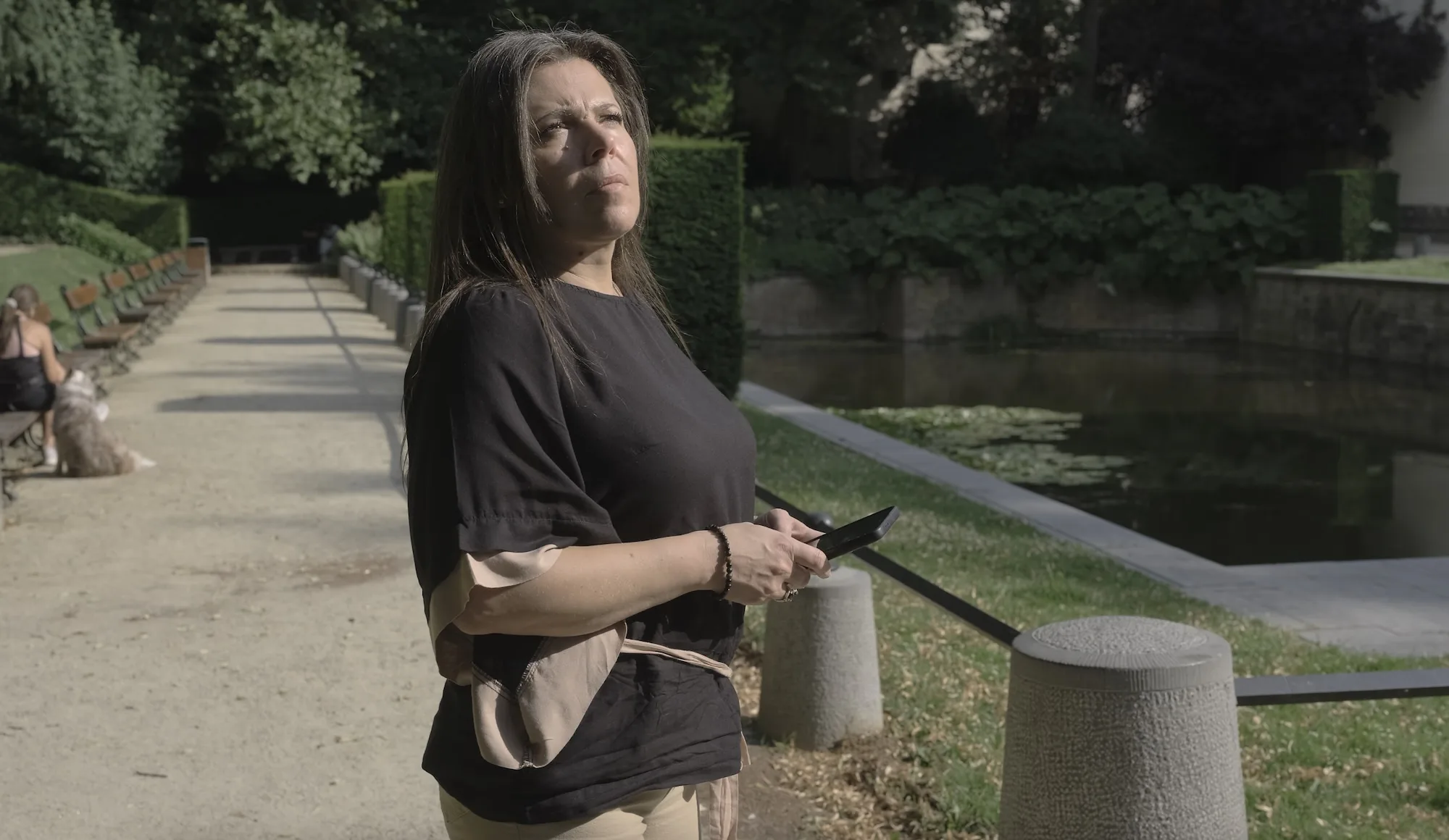
There is a before and an after, and Raquel does not pretend otherwise. The family feels enormous relief, but the two years leave scars, and they take their time to heal. For those two years Joseph lived a life over there while the family lived theirs here, each evolving separately. Part of coming home has been fitting the two timelines back together, letting him share what he wants, when he wants. He left when his son was one month old. He came back to a two-year-old running in all directions.
"There is a before and an after. You cannot go back to how it was. It leaves scars, and then you have to give time its time."
Asked what she would say to those with the power to protect humanitarians, Raquel reaches for the comparison of a diplomat, protected by immunity the moment they set foot on foreign soil. She will not equate the two, but when someone decides to devote their life to this work, she says, it is normal that we protect them. Without that protection, there will be fewer and fewer people willing to do it, and the causes that depend on them, the defence of women, of children, care for people in crisis, will have no one left to serve them.
When asked what she wants people to see or feel when they see Joseph's face on the street, she explains that we must all be aware that it does not only happen to other people, “Joseph is my cousin, but he is everyone's cousin. He could be the son, the father. No one is sheltered."
She did not want to end on herself, or even on Joseph. Given the last word, she chose to turn it outward, to the humanitarians still scattered across the planet in countries at war and countries that are hardest to reach. They are not thanked enough, she says. We do not honour them enough, or grasp how far they go, day after day, to keep helping others.
"The best way to conclude is to thank all the humanitarians, wherever they are. To say thank you to them."
How Protect Humanitarians supports Raquel and her family
Protect Humanitarians supported Raquel and her family through Joseph's detention and stands with them today as part of our survivor network, alongside humanitarians and families affected by attacks, detention and persecution worldwide.
Photos: © Colin Delfosse/Protect Humanitarians
Your donation provides psychological support, legal assistance, and advocates for the release of detained humanitarians.