Make humanity shine.
Steun hulpverleners in gevaar met een donatie
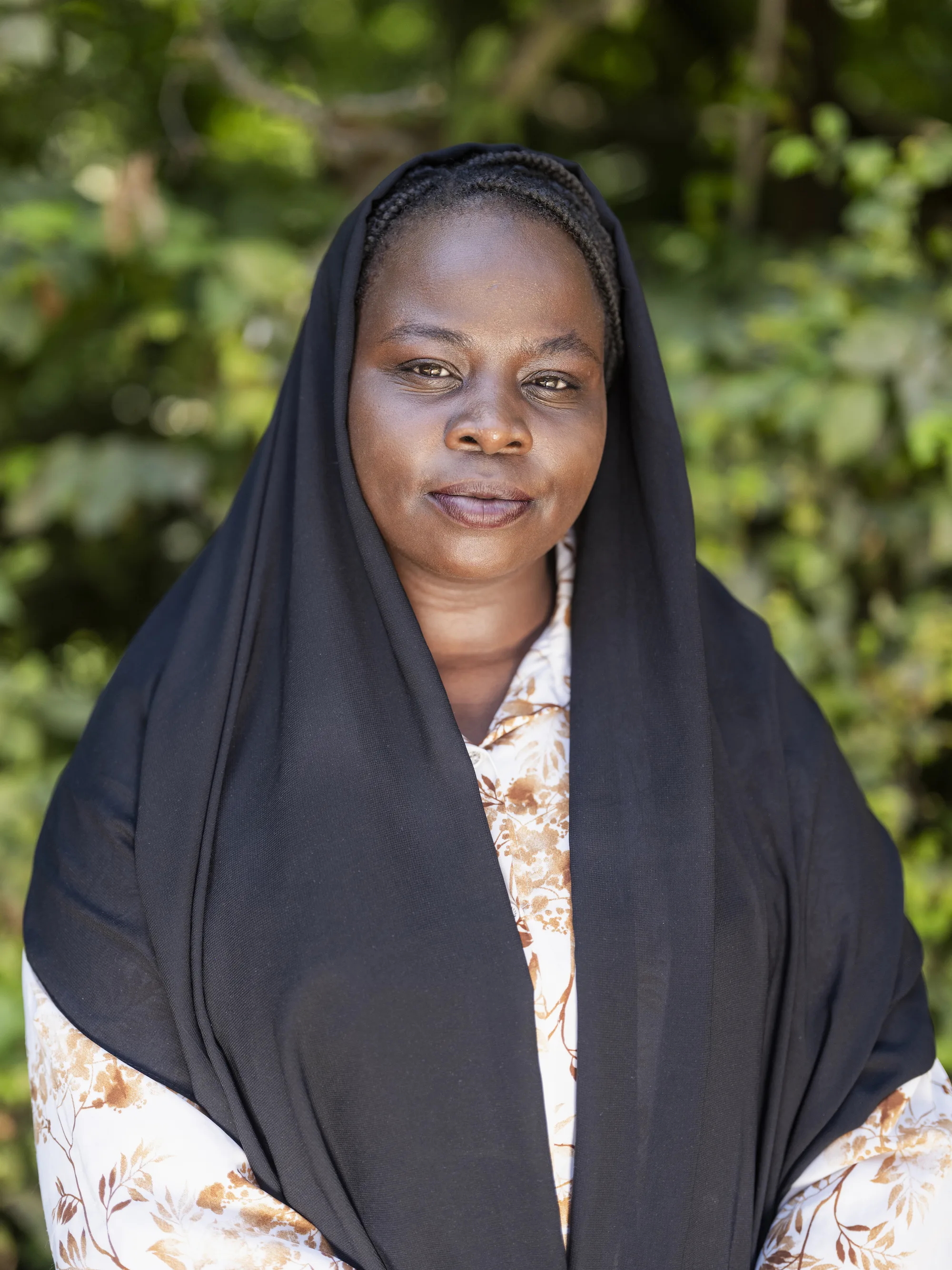
OMIMA
Hulpverlener
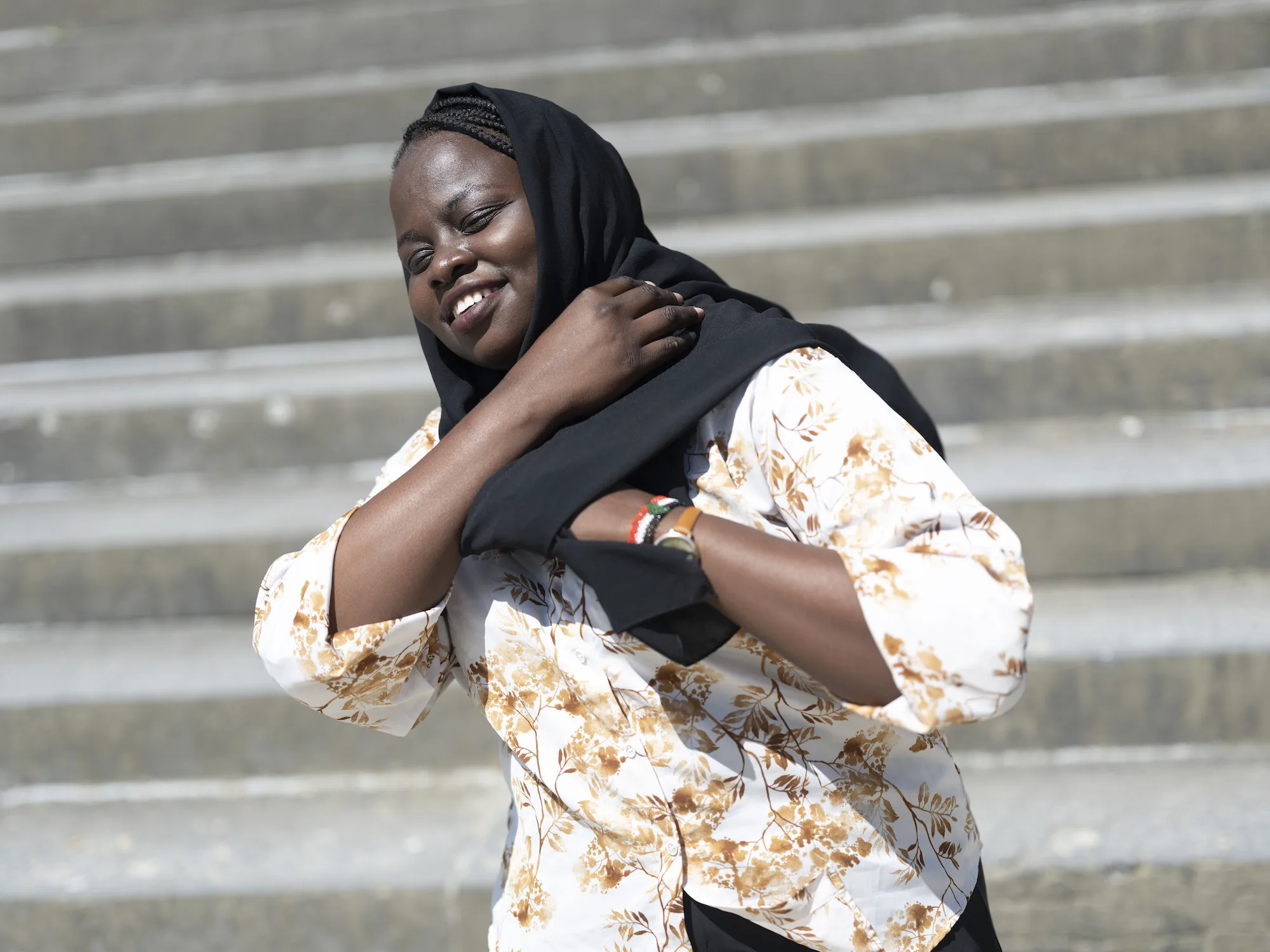
Bracht hulp aan de frontlinies van de oorlog in Soedan. Nu in ballingschap, strijdt ze voor de bescherming van anderen in de frontlinie.
Zichzelf voorstellen is een van de moeilijkste vragen die je Omima kunt stellen; daarom houdt ze het liever eenvoudig: een Soedanese vrouw die zich inzet voor positieve verandering binnen haar gemeenschap. Ze is geboren en getogen in de hoofdstad Khartoem. Haar verlangen om anderen te helpen gaat terug tot haar kindertijd, toen ze haar klasgenoten mobiliseerde om elkaar te helpen. Dat gevoel, het gevoel een verschil te hebben gemaakt, heeft haar haar hele leven nooit verlaten. Buiten haar werk omschrijft ze zichzelf als een gewone vrouw met dezelfde dromen als ieder ander: een carrière, een gezin, een normaal leven.
"Humanitair werker zijn betekent vooral een mens te zijn, want mededogen vormt de kern van het mens-zijn. Voor mij is het de plek waar ik adem... mijn toevluchtsoord, waar ik mezelf kan zijn en het gevoel heb dat ik waardevol ben aan het leven van anderen."
Omima groeide op in een wijk in het zuiden van Khartoem, een gebied geteisterd door armoede en zonder toegang tot lokale voorzieningen. Vanaf ongeveer 2018 zetten zij en andere jongeren een noodhulpdienst op om overstromingsslachtoffers te helpen, voedsel uit te delen en scholen te herstellen. Daaruit ontstond een gemeenschapsproject, gebaseerd op de overtuiging dat kennis alles verandert. Ze openden bibliotheken, waarvan twee speciaal voor kinderen, zorgden ervoor dat tieners weer op school konden gaan, maakten handalcohol en organiseerden voorlichtingssessies tijdens de coronapandemie, en versterkten de samenhorigheid binnen een gemeenschap met zeer uiteenlopende achtergronden. In 2022 was de wijk ten goede veranderd: de criminaliteit was gedaald en een buurt waar mensen zich vroeger niet durfden te wagen, was weer toegankelijk geworden.
Toen in 2023 de oorlog uitbrak, bleek dit werk op het terrein noodzakelijk te zijn. Omima werd vrijwilliger bij de "Emergency Response Room" (ERR) van haar wijk. Deze structuur, al voor het uitbreken van de oorlog opgericht, maakte deel uit van de basisorganisaties aan de frontlinie die erin slaagden de hulpverlening op gang te houden te midden van schietpartijen en bombardementen. Ze organiseerden veilige doorgangen tussen wijken, deelden voedsel uit via gaarkeukens en voedselpakketten, verleenden eerste hulp en zamelden geld in, terwijl ze tegelijk een vroegtijdig waarschuwingssysteem beheerden om gevaren te voorzien. Wat informeel begon, groeide uit tot een coördinatie tussen de verschillende wijken van Khartoem. Dit werkte omdat mensen zoals Omima het vertrouwen, de toegang en de actuele kennis van de noden van de gemeenschappen hadden, op plaatsen die voor internationale organisaties onbereikbaar waren.
Dit werk maakte van haar en haar medevrijwilligers doelwitten. Haar eigen wijk werd gecontroleerd door een van de gewapende groeperingen, wat al voldoende was om haar verdacht te maken: ze werden ervan beschuldigd voor de vijand te werken. De andere partij wantrouwde haar dan weer omdat ze actief was in gebieden die door de vijand gecontroleerd waren. Vrijwilligers uit haar omgeving werden gearresteerd, ontvoerd en gedood. Zijzelf begon anonieme bedreigingen te ontvangen, via telefoon en internet.
Het feit dat ze een vrouw was, maakte het gevaar nog groter. In een oorlog waarin beide kampen verkrachting als wapen gebruikten, gingen de dreigingen tegen haar en andere vrouwen - verkrachting, ontvoering, gedwongen huwelijk, kindhuwelijk en seksuele uitbuiting - veel verder dan wat de mannen naast hen te vrezen hadden.
"Als we naar ons werk vertrokken, zeiden we soms niet 'tot straks'. We zeiden 'vaarwel', want we wisten dat we misschien niet zouden terugkeren."
Omima kon het gevaar voor haarzelf verdragen. Maar ze kende collega's van wie familieleden gegijzeld waren, vastgehouden om de hulpverlener te dwingen zich over te geven. Het was de dreiging tegen haar geliefden die haar er uiteindelijk toe bracht Soedan te verlaten. Na haar vertrek uit Soedan kreeg Omima te maken met nieuwe uitdagingen, zowel economisch als emotioneel. Voor het eerst in haar leven stond ze er alleen voor, ver van een familie waar ze altijd nauw mee verbonden was geweest en voor wie ze financieel verantwoordelijk was. Van buitenaf gezien was ze veiliger. Maar haar familie was achtergebleven. Dat was, zegt ze, het moeilijkste.
En toch kon ze, van buiten Soedan, meer doen. Ze kon rechtstreeks contact opnemen met donoren en pleiten voor de "Emergency Response Rooms" (ERR) en de hulpverleners aan de frontlinie, op een manier die voorheen onmogelijk was. Ze nam coördinerende functies op nationaal niveau op zich en werd de eerste vrouw die een programmabureau vertegenwoordigde, een instantie die de hulpverlening op nationale schaal coördineert. Haar pleitreizen over de hele wereld hebben de noden en de verwezenlijkingen van de ERR's internationaal onder de aandacht gebracht. Ze heeft zich vooral toegelegd op de rol van vrouwen binnen dit werk, door projecten te leiden die gericht zijn op hun behoeften.
Omima spreekt niet alleen voor zichzelf, maar voor een hele groep mensen die door het systeem over het hoofd wordt gezien. Internationaal personeel geniet erkenning en bescherming. Als hen iets overkomt, is iemand verplicht naar hen te zoeken.
Omima wijst op een punt dat maar al te vaak onbesproken blijft. Het werk dat vrouwen aan de frontlinie verrichten, wordt zowel nationaal als internationaal als vanzelfsprekend beschouwd, terwijl dat niet zo zou mogen zijn. Uit haar ervaring blijkt dat wanneer meer vrouwen bij een initiatief betrokken zijn, dit initiatief de neiging heeft om stand te houden, zijn doelen te bereiken en stand te houden. Vrouwen zorgen niet alleen voor de verdeling van hulp, maar ook voor de veerkracht van hele gezinnen en gemeenschappen, en ze wil dat deze bijdrage erkend en gewaardeerd wordt - te beginnen, zegt ze, met de erkenning die vrouwen zichzelf geven.
"Telkens wanneer meer vrouwen betrokken zijn bij werk aan de frontlinie, is het altijd werk van kwaliteit. Het bereikt zijn doelen en heeft impact."
Wanneer mensen haar portret zien en haar verhaal lezen, wil Omima dat ze veerkracht zien - die van haar, en van alle vrouwen in Soedan - en dat ze mededogen voelen voor wat zij en zovele anderen hebben doorgemaakt. Bovenal vraagt ze iedereen die door haar verhaal geraakt wordt, één ding. Ze vraagt u om in actie te komen, niet te zwijgen, haar verhaal te delen en te luisteren naar andere getuigenissen van mensen zoals zij. Ze is ervan overtuigd dat Soedan er weer bovenop zal komen, ook al kan ze niet zeggen wanneer.
"Telkens wanneer u dit verhaal hoort, deel het. Zorg er gewoon voor dat u iets doet. Blijf niet zwijgen."
Hoe Protect Humanitarians Omima ondersteunt
Protect Humanitarians staat aan de zijde van Omima via ons netwerk van overlevenden, samen met humanitaire hulpverleners en families die wereldwijd getroffen worden door aanvallen, detentie en vervolging.
Uw gift biedt psychologische ondersteuning, juridische bijstand en pleit voor de vrijlating van gedetineerde hulpverleners.