Make humanity shine.
Steun hulpverleners in gevaar met een donatie
CHRISTIAN
Hulpverlener
Overleefde een gijzeling in het oosten van de DRC. Steekt nog steeds frontlinies over om levensreddende hulp te bieden.
Christian Aganze was nog een kind toen de oorlog zijn familie dwong te vluchten. Er kwam geen hulp. Dertig jaar later wijdt hij zijn leven aan het helpen van anderen. Hij bleef in Bukavu, in de Democratische Republiek Congo, dat vandaag grotendeels onder controle staat van een gewapende groepering. Daar onderhandelt hij over humanitaire toegang zodat hulp de mensen kan bereiken die door de gevechten zijn afgesneden. In de loop van zijn carrière overleefde Christian een gijzeling en verloor hij twee humanitaire collega's, die werden gedood terwijl zij water brachten naar bijna 60.000 mensen. Nog altijd laat hij regelmatig zijn vrouw en jonge kinderen achter om de frontlinie over te steken en levensreddende hulp te bieden aan burgers. Samen met Protect Humanitarians pleit Christian ervoor dat de bescherming en ondersteuning van hulpverleners vanaf de eerste dag deel uitmaken van elke humanitaire respons.
As a young child, Christian was displaced inside his own country. He spent more than two days out in the open with his grandmother, who held a sheet over his head when it rained, because there was no shelter for them. On the third day she decided they would go home. If they were going to die, she said, better to die there than out here in the weather. No aid reached them. At the time Christian assumed that was because there were simply not enough humanitarians. It was only later that he understood how many other things can stop a response from arriving.
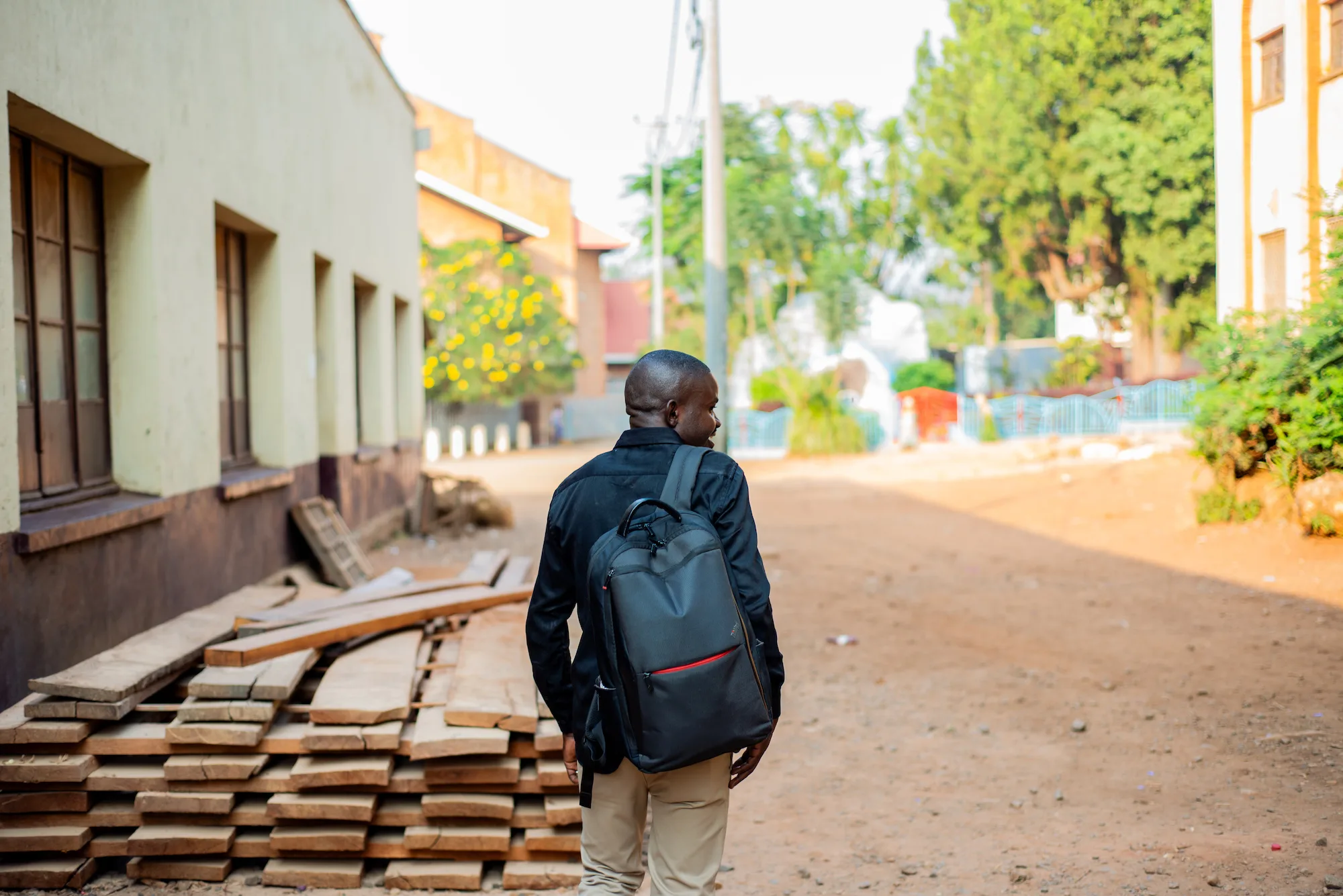
"I do not want other people to experience what I experienced more than thirty years ago. When I get up each morning, I tell myself I am going to contribute again to relieving the suffering of one person."
Outside his work he is above all a family man, with a wife and four children. And he also spends his free time taking care of children from broken families.
Christian's job is humanitarian access. He negotiates with all parties so that aid can reach the people who need it, and he analyses where the need is greatest, because with today's funding nobody can reach everyone. In practice that means he is often in the first vehicle. When other organisations identify a route they want to use, Christian is part of the team that goes ahead to explore it and to talk to everyone who controls a stretch of it, so that aid can get through and the people receiving it are not put at risk by having received it.
The risks have grown with every turn in the conflict. Fighting between armed groups has intensified. The roads have fallen apart, to the point where he has spent nights sleeping in a vehicle because he could not reach his destination. And because he moves between territory held by different sides, he is suspected by all of them. One side wonders whether he is carrying information about their positions. Communities on the other side wonder how he was allowed through at all unless he had made some arrangement with the opposition.
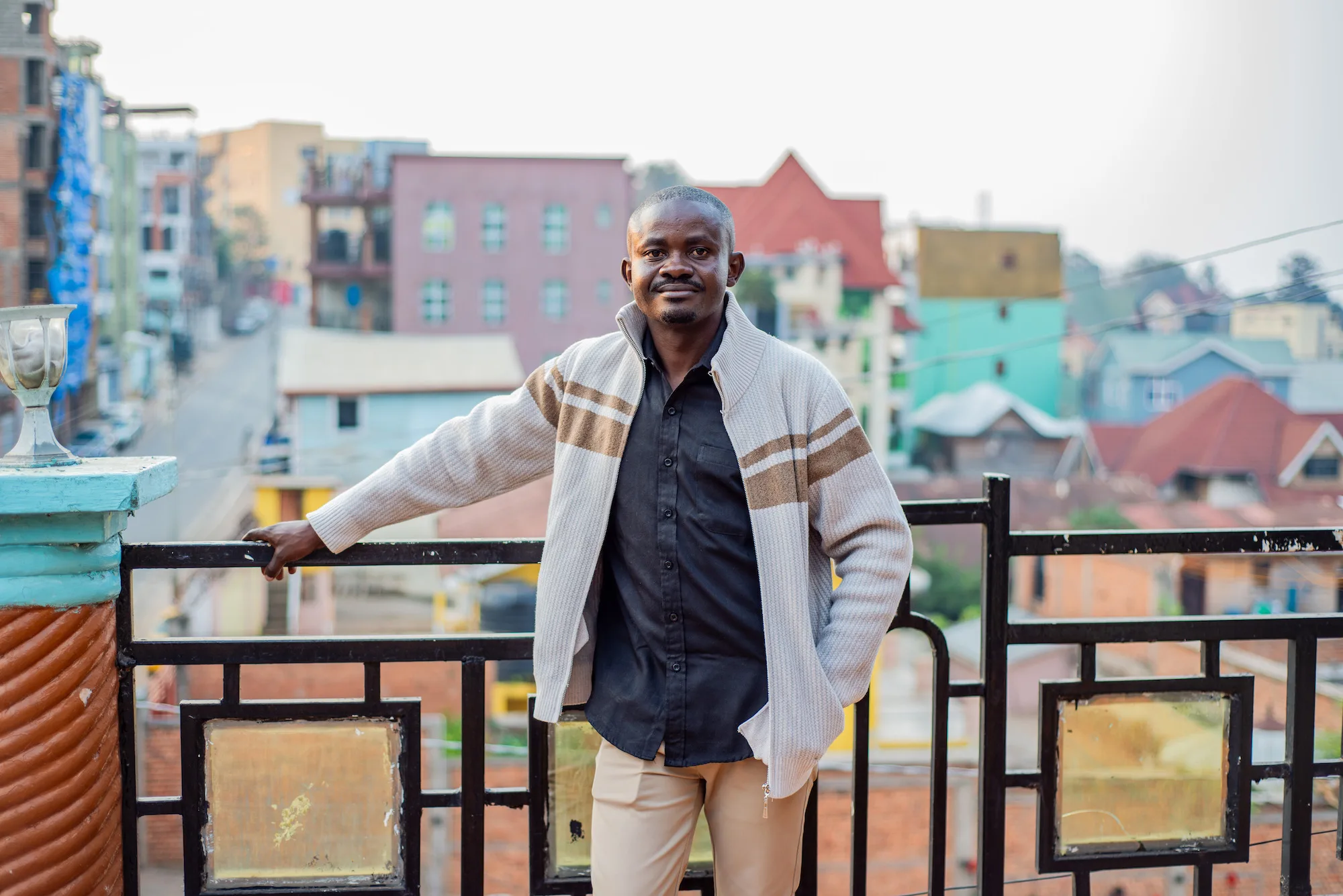
Throughout his humanitarian career, he has been taken hostage once, in 2017, and was released after a long and frightening day, partly because he happened to share a local language with some of his captors. But the memory that returns most often is not his own. In 2018 he was supervising a team when two of his colleagues, both engineers, were killed by armed men after a day spent surveying sites for a water system. That system would have supplied more than 58,000 people.
"I always remember those colleagues who were so dedicated, but who lost their lives because they wanted to give water to more than 58,000 people."
When Bukavu itself was taken in 2025, Christian stayed. The city was already full of people who had fled surrounding areas, and now they could not move on, because the only route out ran through territory full with armed men. He was part of the small team that remained, and he was among the first to organise assessments of what people needed, eleven days after the city fell, while the remnants of the fighting still lay unexploded in the streets. The people carrying out that work had themselves just spent days in hiding. Some had lost relatives. Some had lost everything they had saved.
His family lives with all of this. Saying goodbye to a wife and four children before crossing a front line comes with a heavy psychological toll on everyone. When he travels beyond phone coverage and his family hear nothing for twelve or twenty-four hours, they are left to imagine why. And because his neighbours know him first as a father and only second as a humanitarian, being seen talking to the wrong people can follow him home.
Being one of the local staff has its benefits but, Christian explains, it can also carry more risk. In many contexts it is they who go to the front line first, because they know the ground. Being from the place is what makes them effective, but it is also what exposes them. A local humanitarian never stops being a member of the community they serve. The work does not end at the office door, it runs through his daily life, and every interaction he has in the course of it can be read by people who know him. When a community cannot tell whose interests a humanitarian is serving, mistrust follows, and in a context as fragile as this one, any mistrust can be dangerous.
What he wants from the sector is that access and community acceptance stop being treated as things to sort out later. They belong in the plan from the first day, because that is where the incidents come from. And in a context that shifts daily, he argues, a decision taken on yesterday's analysis is itself a risk.
"We know that good risk analyses, should really be done regularly, to reduce the incidents that directly affect humanitarian actors.”
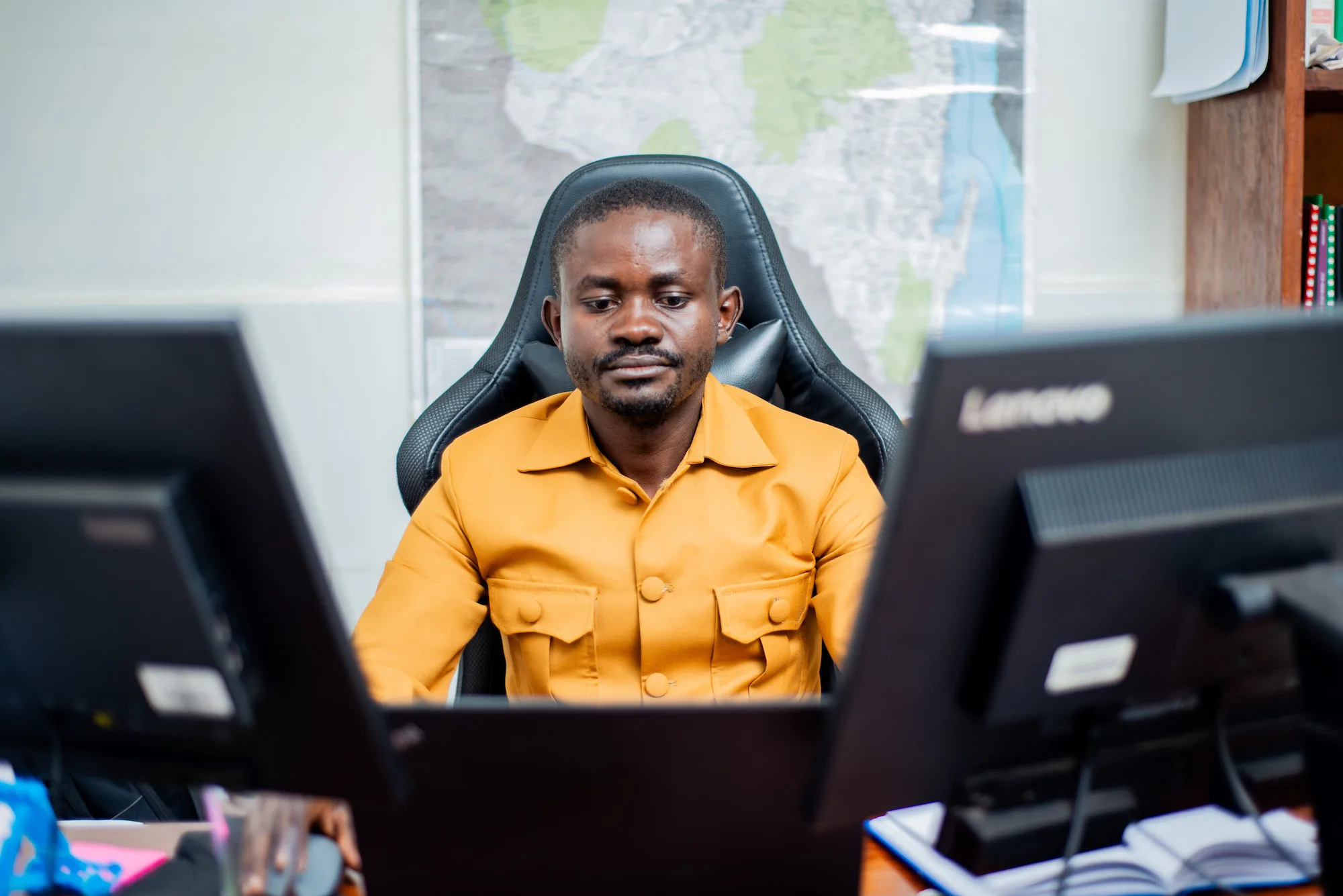
His message to those in power is that humanitarians are not the target and they need protection. That protection, he says, should be funded as part of the response rather than treated as an afterthought, because you cannot save lives unless you are alive. If the person who goes to save a life loses their own, others will not follow them into that same place.
And to the parties to the conflict, and to the communities who view the sector with suspicion, his point is that humanitarians are not there to feed a conflict. They are there to relieve the suffering of the people caught in it. Each of them, he says, has a role to play in protecting the people who give up their own interests and leave their comfort behind to reach others in need.
“You cannot save lives unless you are alive.”
He believes a time will come when the cycle of violence in his country finally stops and the conversation will no longer be about the next crisis or conflict, but about community resilience and development.
To anyone who wants to do this work, he would encourage them and show them that there is room to help. But they should examine their motives first. Anyone who imagines this is a comfortable profession has not sat down on the ground to negotiate with an armed eleven-year-old child.
“Before taking this decision, you have to think about what you are capable of giving up in order to embrace this sector.”
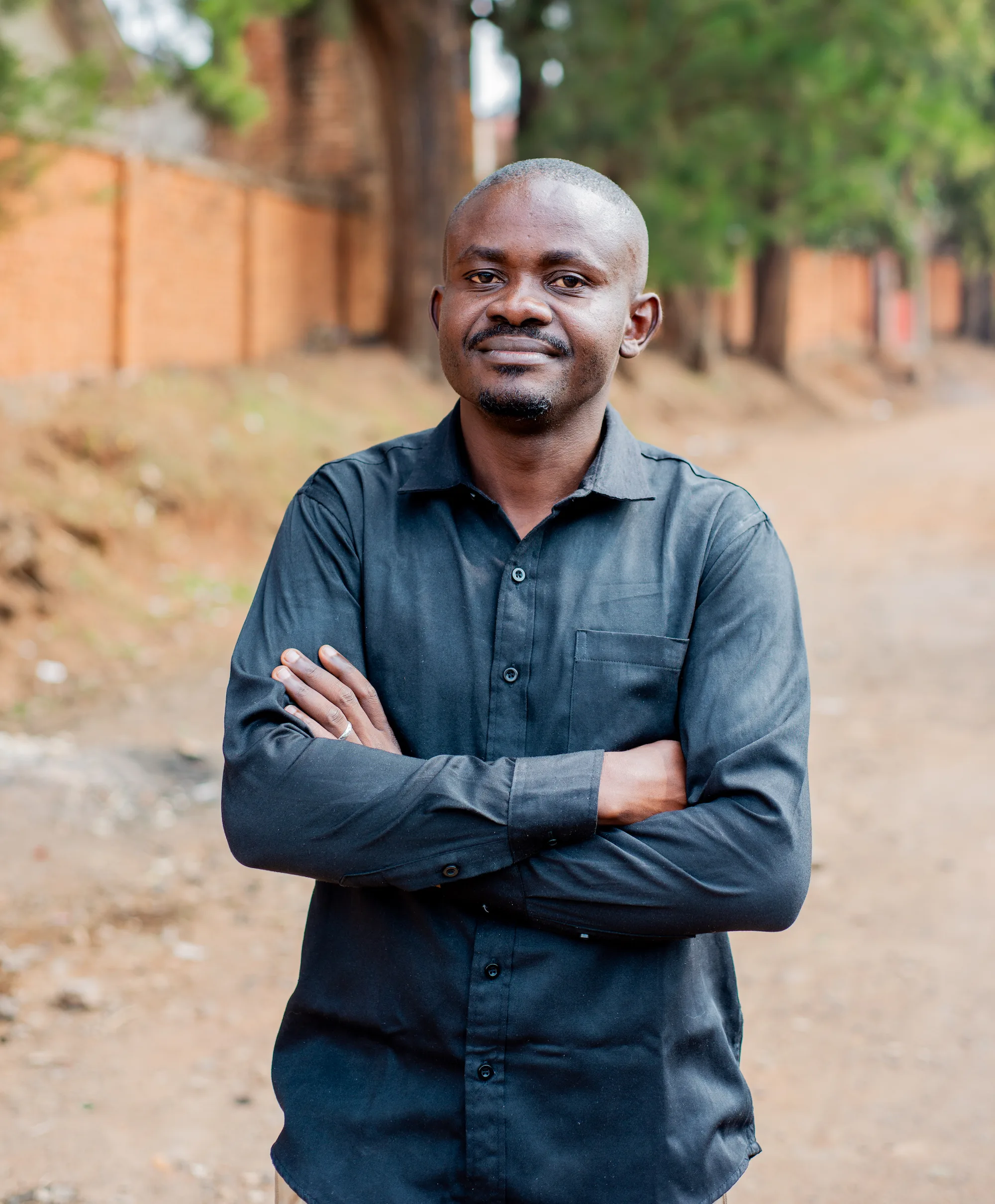
What Christian wants people who see his portrait or read his story to understand is what sits behind every life helped. Millions of Congolese are living in vulnerable situations caused by displacement, driven from their homes by armed conflict. And there are people who go towards them, day after day. Without those people, he says, the country would be seeing catastrophes, losing thousands every day. So when you look at a humanitarian, understand that this is someone who agreed to go where others do not. Someone like you, who has agreed to give a part of their life to others, and who deserves to be treated well.
"Behind every life relieved, there is someone who agreed to leave their comfort zone to reach people in need."
How Protect Humanitarians supports Christian
Protect Humanitarians stands with Christian as part of our survivor network, alongside humanitarians and families affected by attacks, detention and persecution worldwide.
Photos: © Gloire Chibinda/Protect Humanitarians
Uw gift biedt psychologische ondersteuning, juridische bijstand en pleit voor de vrijlating van gedetineerde hulpverleners.