Make humanity shine.
Steun hulpverleners in gevaar met een donatie
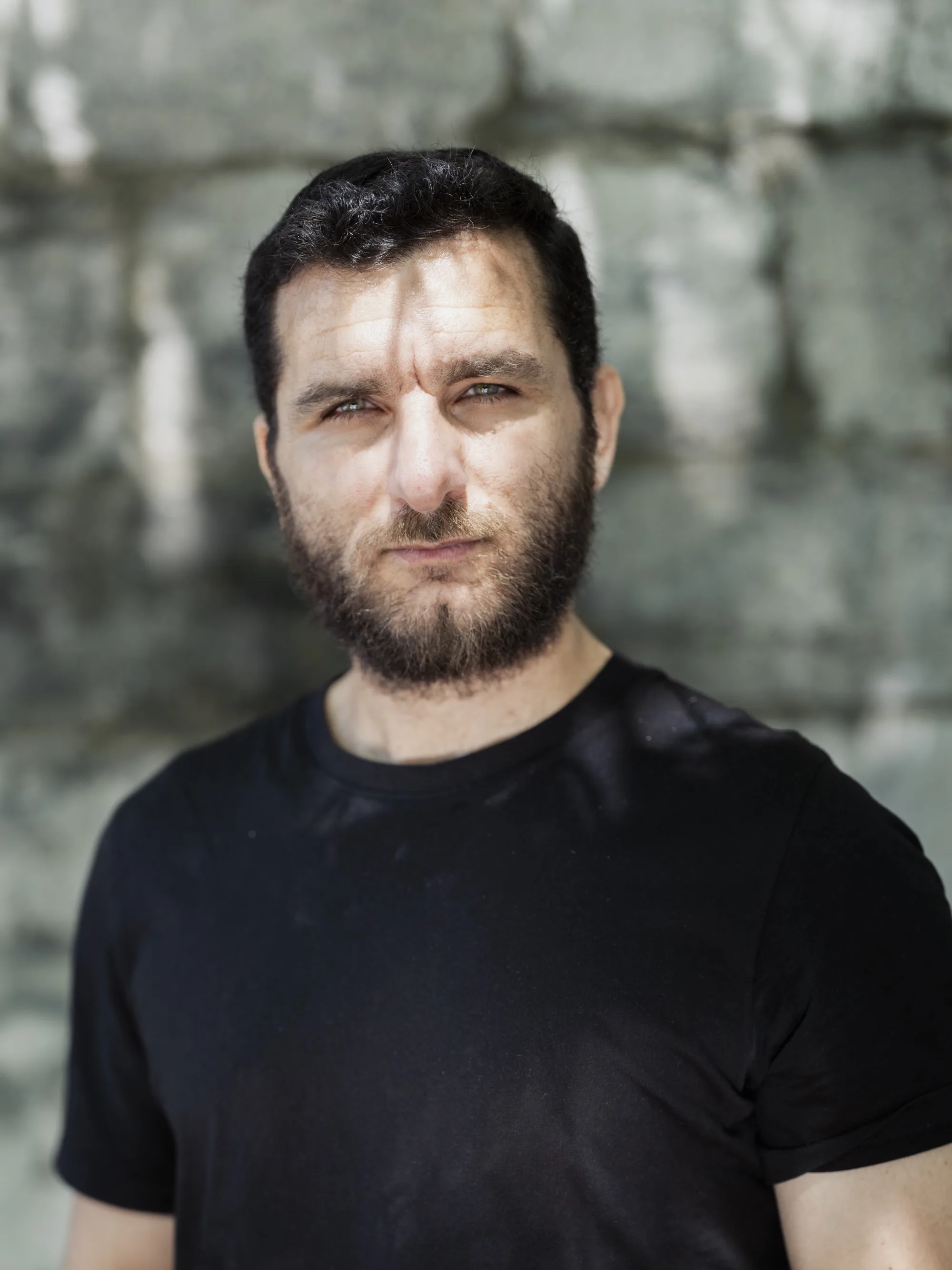
NASSOS
Hulpverlener
Gearresteerd en vastgehouden in Griekenland voor het redden van vluchtelingen en migranten op zee.
In 2016 gaf Nassos Karakitsos gehoor aan een oproep voor vrijwilligers op het Griekse eiland Lesbos. Hij vertrok voor vijftien dagen, maar bleef uiteindelijk bijna twee jaar. Daar gaf hij leiding aan zoek- en reddingsteams die hielpen honderden levens te redden. In 2018 werd hij gearresteerd en beschuldigd van mensensmokkel, spionage en lidmaatschap van een criminele organisatie. Hij riskeerde tot twintig jaar gevangenisstraf en bracht 106 dagen achter de tralies door. Daarna volgden bijna acht jaar van juridische onzekerheid. Op 15 januari 2026 werden Nassos en zijn 23 collega's van alle aanklachten vrijgesproken, in wat uitgroeide tot de grootste zaak van criminalisering van solidariteit in Europa. Vandaag zet Nassos zich samen met Protect Humanitarians ervoor in dat mensen helpen nooit als een misdrijf wordt beschouwd en dat humanitaire hulpverleners de juridische bescherming en ondersteuning krijgen die zij verdienen.
"I went out of my bubble and I saw the reality. It changed my life, changed my view and my way of thinking."
For Nassos, humanitarian work is the thing that makes him feel most human. He can help people in need because he has the knowledge and the capability to do it. Outside the work, he describes himself as a creature of routine. He likes order, plans ahead, works out, reads, and calls himself boring and a little grumpy, but above all he likes to have fun and is passionate about everything he does. Always eager to improve his skills, he is now finishing a master's in public policy and human development in Maastricht, and hopes to go back to the field.
On Lesbos he was a field director for a small NGO. It began as search and rescue, with teams offshore in boats saving people from the sea, and it grew as they saw the gaps. They added medical teams, work inside the camps, informal schooling and swimming lessons for children.
After his imprisonment he spent years working with unaccompanied children for the UN's migration agency, ran a clinic in Athens for people with no social security number, and coordinated interpreters across Greece's camps. He still hears from families he pulled out of the water. Children who were ten years old then are grown now, studying, in touch from Germany and France.
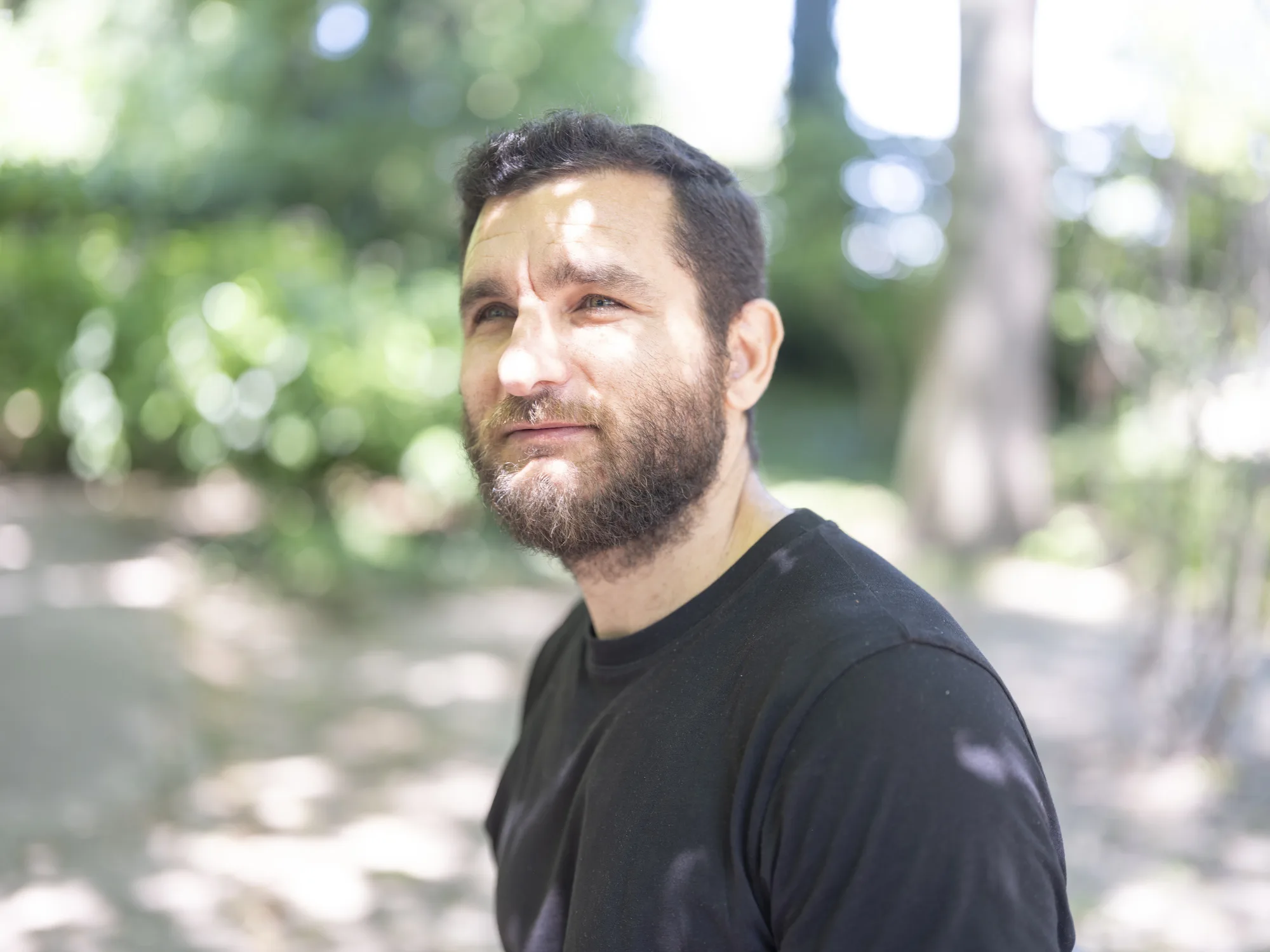
When Nassos's ordeal began it was so unexpected that he almost took it for a joke. In 2018, a year after he had left Lesbos, the police told him there was a case against him. He read the accusations and was certain it was a mistake. On Lesbos they had worked openly alongside the Coast Guard and Frontex, by the book. When he heard his colleagues had been arrested, he phoned the authorities himself, took the ferry to Lesbos, and handed himself in, sure of his innocence. They arrested him too. They spent 106 days, three and a half months, in pretrial detention. Held among people who had committed serious crimes, they faced up to 20 years in prison for rescuing refugees and migrants at sea.
"It was something I couldn't expect from my country, to accuse people because we were helping people, and helping the authorities too."
Even in prison, he understood that the charges were aimed at more than the 24 defendants. More than a million people had crossed to the islands in those years, helped by thousands of volunteers from around the world. The prosecution, as he saw it, was an attempt to erase that, and to frighten everyone who had been part of it.
Small things helped them all get through the detention. A phone call home. The Sunday newspapers where they could get updates on his case. And above all the letters, hundreds of them, from friends, from fellow volunteers, and even from strangers showing their support. They reminded him and his co-defendants that they were not alone.
Release was not the end. It was the start of nearly eight years of legal limbo, with five years of restrictions that barred him from leaving Greece. The case was split in two and dragged through trial after trial, with translations withheld and appeals lodged. He suspects the delay was deliberate, meant to keep the case running so that for those years the shores of Lesbos stayed empty of helpers, everyone too afraid that a blanket or a bottle of water would land them in the dock. He kept his mind busy, working long hours and studying, because if he stopped, his mind went straight to the thought of a courtroom and a possible twenty years behind bars. The felony trial finally opened seven years and five months after his arrest. In January 2026 he was acquitted. When he called his family, they were all crying from relief.
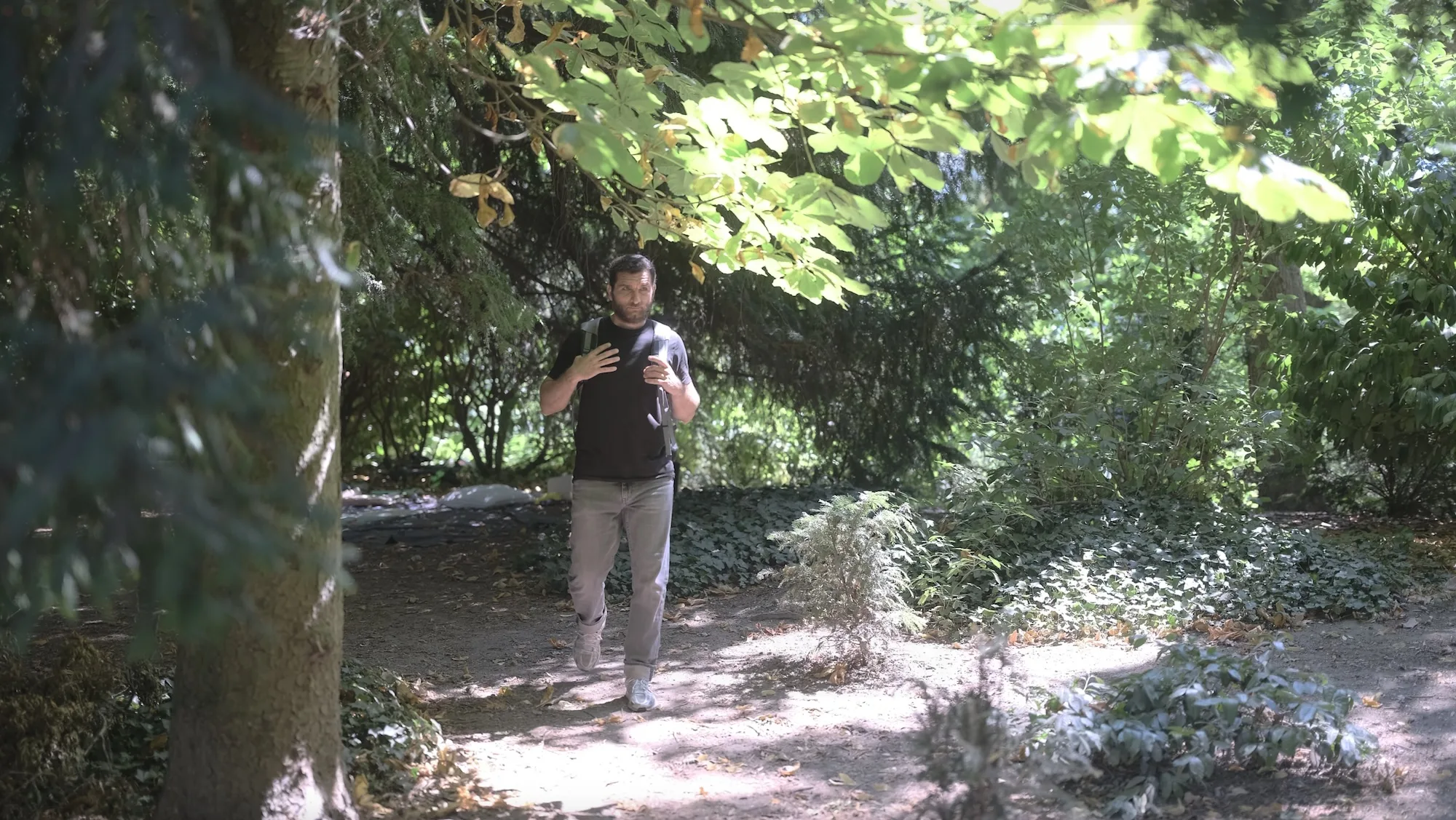
The weight has not fully lifted. Nassos still has nightmares about prison. He speaks openly about needing psychological support that he has not yet had the time or money to seek, and now intends to. It cost his family too. They carried their own stress for eight years, hiding their fear and staying optimistic to support him.
Asked what humanitarians need, Nassos turns practical. People who go to help must be informed. They need to know the law in each country, what they can and cannot do, and their rights above all, so they can protect themselves and still act. And when something goes wrong, there must be strong legal support and the funds to sustain it. Without the people who gave money to the defence, he says, they could not have survived the case, let alone fought it. He wants the sector to reach the next generation early, going into universities across Europe to explain what’s happening and why people like him are being accused.
To anyone with the power to change this, he has questions more than demands. Politicians call NGOs and volunteers a pull factor. He argues the real pull factor is the wars and policies that made people flee in the first place. Migration, he says, is as old as humanity. What, exactly, are we protecting, and how, when the alternative is people drowning at sea?
If a young person told him they wanted to do this work, he would say yes, do it, and then give them honest advice. Protect yourself. Be aware. Talk to each other. Go to the field before you go to Geneva or Brussels, see the reality first, and then, wherever you end up, speak up. A good salary and a title mean little, he says, if you stay silent.
What he hopes for is that he and his co-defendants recover, that they stay in this work, and that asylum seekers still imprisoned for crossing borders with their own families are not forgotten.
He asks people to see the hostility for what he believes it is, a fear of the unknown, put into people's homes. But he is clear about what the work now demands. Difficulties will always be there, he says. They accuse us, they will accuse us again, they will try to stop us. But we have to stand, raise our voices, and be there for the people who need us.
How Protect Humanitarians supports Nassos
Protect Humanitarians stands with Nassos as part of our survivor network, alongside humanitarians and families affected by attacks, detention and persecution worldwide.
Photos: © Colin Delfosse/Protect Humanitarians
Uw gift biedt psychologische ondersteuning, juridische bijstand en pleit voor de vrijlating van gedetineerde hulpverleners.